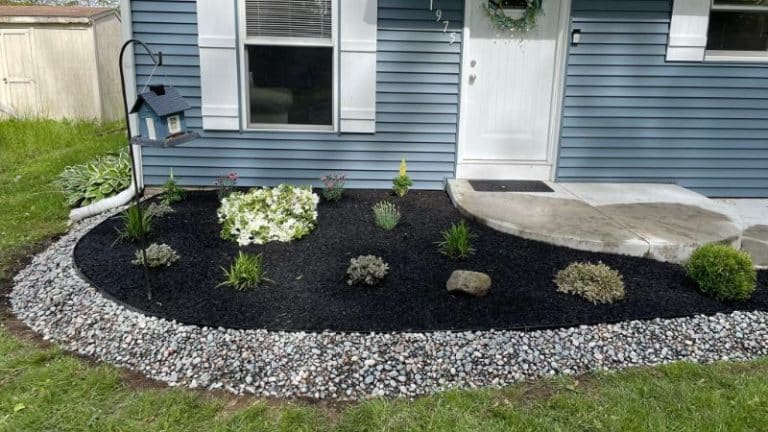
Garden Bed Design Costs in 2026: What Homeowners Really Pay & How to Budget Smart
Most homeowners want a clear number before anything else. In 2026, hiring a professional garden bed designer usually costs between $300 and $2,500+ for design alone. If installation is included, total costs can climb to $1,500–$6,000+ depending on the project. Simple layouts cost less, while custom designs with premium plants and features increase the budget quickly.
What Is Included in Garden Bed Design Services?
When you hire a professional, you’re not just paying for a sketch. You’re paying for proper planning, real experience, and avoiding mistakes that can cost more later. Most services include site evaluation, soil checks, plant selection, layout planning, and material guidance, so everything works together and lasts over time.
Most garden bed design services include:
- Site evaluation and soil assessment
- Custom layout and plant selection
- Seasonal planning for year-round appeal
- Material recommendations (mulch, edging, soil)
- Optional 3D design or visual plan
Companies like Weaver’s Lawn Care & Design often combine design with installation, which helps homeowners avoid coordination issues and keeps the project consistent from start to finish.
Average Price Ranges for Different Garden Bed Types
Not all garden beds cost the same, and the type you choose has a direct impact on your total budget. Basic flower beds are usually more affordable, while raised beds, native plant designs, or custom layouts cost more due to materials and planning involved. Features like edging, soil quality, and plant selection also push prices higher, especially in detailed designs.
Here’s a simple comparison to give you a realistic idea:
| Garden Bed Type | Average Cost (2026) | Best For |
| Basic Flower Bed | $300 – $800 | Small front yard updates |
| Raised Garden Beds | $800 – $2,000 | Structured, modern designs |
| Native Plant Garden Beds | $1,000 – $3,000 | Low maintenance landscaping |
| Luxury Custom Designs | $2,500 – $6,000+ | Large or high-end properties |
The jump in price usually comes from plant quality, design complexity, and materials like stone edging or lighting.
What Factors Influence Garden Bed Design Costs?
Garden bed pricing isn’t random it’s shaped by a mix of design choices and site conditions. A few key factors directly impact what you’ll pay, and ignoring them can lead to budget surprises. Before planning your project, it helps to understand what actually drives costs up or down, including design complexity, plant selection, soil condition, labor, and any added features like edging or drainage work.
- Design complexity: Simple layouts cost less than layered, multi-season designs
- Plant selection: Native plants are cheaper long-term, exotic plants cost more upfront
- Labor and expertise: Experienced designers charge higher fees
- Location conditions: Soil quality, slope, and drainage issues increase costs
Homes in areas like Mentor or Painesville may also see pricing differences based on local labor rates and material availability.
How Materials Impact Garden Bed Pricing
Materials can quietly double your budget if you’re not careful. Many homeowners underestimate this part. For example, mulch is affordable, but stone edging, decorative gravel, or premium soil blends can quickly increase costs. The type of plants also matters perennials are more expensive initially but last longer, while annuals are cheaper but need replacing every year. A balanced approach works best. Spend where it matters (soil and structure), and save on decorative extras if needed.
How Size, Complexity, and Location Affect Costs
The bigger and more detailed your garden bed, the more you’ll pay simple as that. But complexity matters just as much as size. A small but intricate design with multiple plant layers can cost more than a large, simple layout. Sloped yards or poor soil conditions also increase labor time, which raises costs. In suburban areas like Madison or Chardon, accessibility and yard conditions often influence final pricing more than people expect.
Is Hiring a Garden Bed Designer Worth It?
This is where most homeowners hesitate. Spending hundreds or thousands on design can feel unnecessary until mistakes start costing more. A professional helps you avoid common issues like poor plant placement, drainage problems, or overcrowding. They also design for long-term growth, not just how it looks on day one. In many cases, hiring a designer actually saves money by preventing rework and plant replacement.
DIY vs Professional Garden Bed Costs
Doing it yourself can seem cheaper at first, especially for small projects. But once you factor in materials, tools, time, and possible mistakes, the cost gap often shrinks, and sometimes even flips in the long run.
Here’s a realistic breakdown:
| Option | Typical Cost | Risk Level | Result Quality |
| DIY Garden Bed | $200 – $1,500 | Medium to High | Varies widely |
| Professional Work | $1,500 – $6,000+ | Low | Consistent, polished |
DIY works well for small projects. But for larger or more visible areas, professional work often delivers better long-term value.
Garden Bed Installation Costs (What You’ll Actually Pay Total)
Design is just one part of the total cost, but installation is where most of your budget gets used. Labor, materials, soil preparation, and planting all add up quickly, especially for larger or more detailed garden bed projects.
On average, professional installation costs:
- $50 to $100 per hour for labor
- $5 to $20 per square foot for full installation
This includes soil preparation, planting, edging, and finishing touches like mulch.
Full-service companies like Weaver’s Lawn Care & Design serving areas such as Geneva and Eastlake often bundle design and installation, which can reduce overall costs.
Hidden Costs Most Homeowners Miss
This is where budgets often go off track, especially if you only focus on design and plants. Some expenses aren’t obvious at the start but can quickly add up during the project. Things like soil replacement, drainage fixes, or irrigation adjustments often get overlooked, yet they play a big role in how well your garden bed performs over time.
Before starting your project, keep these in mind:
- Soil testing or replacement
- Drainage fixes or grading
- Irrigation setup
- Seasonal maintenance costs
- Replacement plants in the first year
Even small extras can add a few hundred dollars if you don’t plan ahead.
How to Budget Smart for Garden Bed Design
A good plan makes a big difference. Instead of guessing, break your project into phases if needed.
Start with the essentials design, soil, and structure. Then add decorative features later if your budget allows. This approach helps you avoid overspending while still getting a clean, finished look.
Some practical ways to save:
- Choose native plants (lower maintenance and cost)
- Limit hardscape features like stone edging
- Do simple prep work yourself
- Schedule work in off-peak seasons
Are There Financing Options for Garden Design Projects?
Many homeowners don’t realize that landscaping projects can be financed. Some landscaping companies offer payment plans, especially for larger projects. You can also use home improvement loans or credit options if the project adds long-term value to your property. For bigger upgrades, spreading the cost over time often makes more sense than delaying the project entirely.
Does Designer Experience Affect Pricing?
Yes, and sometimes significantly. A more experienced designer charges higher fees, but they also bring better planning and fewer mistakes. Less experienced designers may offer lower rates, but the risk of poor layout or plant failure increases. It’s not just about price it’s about getting it right the first time.
Do Eco-Friendly Garden Beds Cost More?
Sustainable designs can cost more upfront, but they often save money over time. Native plants, efficient irrigation, and soil health improvements reduce maintenance costs. While initial pricing may be slightly higher, long-term savings usually balance it out.
Custom Garden Bed Design That Enhances Your Property Without Wasting Money
A well-planned garden bed can completely change how your property looks, but only if it’s designed with purpose. At Weaver’s Lawn Care & Design, the focus isn’t just on adding plants it’s about creating a layout that fits your space, soil conditions, and budget from day one. Whether you’re upgrading a small front yard or building a full landscape design, their team works with practical plant choices and clean structure so you don’t deal with constant maintenance or rework. Homeowners across Painesville and Chardon trust their approach because it balances cost, durability, and a finished look that actually lasts.
Get Garden Bed Design Services
Plan your garden bed with the right layout, materials, and plant choices so you avoid waste, control costs, and get a cleaner finished result.
Get a QuoteFAQs
How much should I budget for a small garden bed project?
For a small garden bed, most homeowners spend between $300 and $1,500 depending on whether they do it themselves or hire a professional. Basic designs with simple plants stay on the lower end, while added features increase the cost.
Is it cheaper to design a garden bed myself?
DIY is cheaper upfront, but mistakes can cost more over time. Poor plant choices, drainage issues, or overcrowding often lead to rework. For simple spaces, DIY works, but larger projects benefit from professional planning.
How long does a garden bed project take?
Most garden bed projects take anywhere from one day to a week. Smaller beds can be completed quickly, while larger or more detailed designs take longer due to preparation, planting, and finishing work.
Do garden beds increase property value?
Yes, well-designed landscaping can improve curb appeal and increase property value. Clean, structured garden beds make a strong first impression and can help homes sell faster in competitive markets.
Can I reduce costs without sacrificing quality?
Yes, focus on essentials like soil and layout first. Choose native plants, avoid expensive materials, and complete the project in stages. This keeps quality high while spreading out the cost over time.