Sloped Yard Landscaping Ideas (Complete Guide 2026)
A sloped yard can feel like wasted space at first, but it doesn’t have to stay that way. With the right approach, it can become one of the most attractive parts of your property. In 2026, homeowners are turning slopes into functional outdoor areas using terraces, decks, plants, and drainage solutions. Whether your goal is to stop erosion, create usable space, or improve curb appeal, this guide walks you through real ideas, costs, and smart design choices that actually work.
Why Sloped Yard Landscaping Matters
Ignoring a slope usually leads to bigger problems over time. Soil movement, water runoff, and poor usability are common issues that get worse each season. A well-planned landscape solves these problems while making the space more enjoyable.
Here’s what proper sloped yard design helps you achieve:
- Prevents soil erosion and runoff damage
- Adds usable outdoor living space
- Improves safety when walking the yard
- Increases property value and visual appeal
Build a Retaining Wall (Best for Stability + Flat Space)
Retaining walls are one of the most reliable ways to control a slope. They hold soil in place and create level areas you can actually use for seating, planting, or patios.
In 2026, retaining wall costs depend heavily on materials and height:
| Wall Type | Average Cost | Best For | Lifespan |
| Timber | $20–$40 per sq ft | Budget projects | 10–15 years |
| Concrete Block | $30–$70 per sq ft | Residential yards | 30+ years |
| Natural Stone | $50–$100+ per sq ft | Premium designs | 50+ years |
A well-built wall also opens up design options. You can add planting beds behind it or even integrate lighting and seating. Just don’t cut corners poor construction can lead to failure, which is costly to fix.
Create Tiered Levels (Best for Steep Slopes)
When the slope is too steep for a single wall, dividing it into multiple levels works better. This approach spreads the pressure across smaller sections and gives you more usable zones.
Tiered landscaping feels natural and makes your yard easier to manage. It also allows you to mix materials and textures for a layered look.
Most homeowners use tiers for:
- A flat lawn area at the top
- Garden beds in the middle
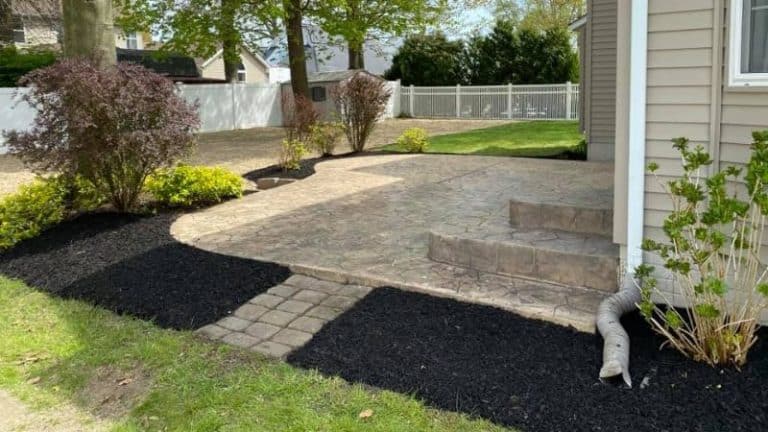
- A patio or seating space at the bottom
This setup turns a difficult slope into a structured, multi-purpose outdoor space.
Build a Deck Over the Slope
If excavation feels too expensive or complicated, building a deck is often the smarter option. Instead of fighting the slope, you simply build above it.
Deck pricing in 2026 usually looks like this:
| Deck Type | Cost Range | Best Use |
| Basic Wood Deck | $25–$50 per sq ft | Budget-friendly outdoor space |
| Composite Deck | $40–$80 per sq ft | Low maintenance |
| Multi-Level Deck | $60–$120+ per sq ft | Large sloped yards |
Multi-level decks are especially useful. They create separate zones for dining, relaxing, or entertaining without flattening the entire yard.
Add Plants for Natural Erosion Control
Planting is one of the simplest and most affordable ways to stabilize a slope. The roots hold soil together and reduce runoff naturally. For best results, focus on dense-root plants instead of decorative ones alone.
Strong options include:
- Groundcovers like creeping thyme or vinca
- Ornamental grasses for wide coverage
- Shrubs with deep root systems
- Native prairie plants for low maintenance
These plants not only protect your yard but also reduce the need for constant upkeep.
Use Boulders for Structure and Support
Boulders add both function and visual interest. When placed correctly, they help anchor soil and break up long slopes. The key is proper placement. At least one-third of each rock should be buried to keep it stable. Random clustering works better than straight lines, giving a natural look.
You can combine boulders with plants to soften the appearance while still maintaining structural support.
Can You Grow Grass on a Slope?
Yes, but it’s not always the easiest option. Grass struggles on slopes due to water runoff and maintenance challenges.
If you still want a lawn, here’s what works best:
- Sod instead of seed for quicker establishment
- Horizontal installation (not vertical strips)
- Use turf staples for stability
- Install drainage before laying grass
Hydroseeding is another strong option because it sticks better to uneven ground and provides more even coverage.
Add Stairs for Access and Safety
A sloped yard without stairs quickly becomes frustrating to use. Steps improve both safety and accessibility while adding structure to your design. You don’t need anything overly complex. Even simple steps can change how the yard feels.
Common materials include:
- Concrete pavers for durability
- Natural stone for a premium look
- Timber for budget-friendly builds
For steep slopes, zigzag stairs are easier to walk than straight ones. For gentle slopes, wider steps create a relaxed, flowing feel.
Add a Water Feature (Smart + Functional)
Water naturally flows downhill, so slopes are perfect for features like waterfalls or small streams.
These features aren’t just decorative. They help manage drainage and reduce erosion when designed correctly.
Costs in 2026 typically range from:
- $1,500–$5,000 for small features
- $5,000–$15,000+ for large waterfalls
A simple trick is to observe your yard during heavy rain. The natural water path gives you a clear idea of where to place your feature.
Common Mistakes Most Homeowners Make
Many slope projects fail because of poor planning. It’s not about spending more money—it’s about making smarter choices early.
Watch out for these common issues:
- Skipping proper drainage planning
- Building retaining walls without professional input
- Choosing plants that don’t hold soil well
- Ignoring long-term maintenance needs
Fixing these mistakes later costs far more than doing it right the first time.
What Professionals Do Differently
Professionals don’t just focus on looks they plan for structure, drainage, and long-term durability.
They typically:
- Analyze soil and slope angle first
- Plan water flow before design
- Use proper reinforcement for walls
- Select plants based on function, not just appearance
Working with a company like Weaver’s Lawn Care & Design ensures your yard isn’t just attractive it’s built to last.
When You Should NOT DIY a Sloped Yard
Some projects are simply too risky to handle on your own. It’s better to bring in experts when safety and structure are involved.
Avoid DIY if:
- The slope is very steep
- You need a retaining wall over 3–4 feet
- There are drainage or water pooling issues
- Soil movement is already happening
In these cases, professional help saves time, money, and potential damage.
Sloped Yard Landscaping Services in Ohio
If you’re dealing with a difficult yard in areas like Madison, Mentor, Painesville, or Concord, getting local help can make a big difference. Soil type, weather, and slope conditions vary, and local experience matters. Weaver’s Lawn Care & Design provides complete solutions including grading, planting, retaining walls, and full landscape design. They handle both residential and commercial properties and focus on long-term results, not quick fixes.
Get Sloped Yard Landscaping Ideas
Make your sloped yard safer, easier to use, and better protected from erosion with the right landscaping plan.
Get a QuoteFAQs
What is the cheapest way to landscape a sloped yard?
How much does sloped yard landscaping cost in 2026?
Is a sloped yard bad for property value?
How do you stop erosion on a steep slope?
Can I build a patio on a sloped yard?