How to Identify Signs of Irrigation System Damage (Complete Guide 2026)
If your lawn suddenly looks patchy or your water bill feels off, your irrigation system might be the reason. Most damage doesn’t start big it builds quietly through leaks, clogs, or pressure issues. By the time you notice, you’re already wasting water or harming your landscape. This guide is for homeowners who want to catch problems early and avoid expensive repairs.
What Are the Common Signs of Irrigation System Damage?
Most irrigation problems leave clues you just need to know where to look. In real-world use, systems rarely fail all at once. Instead, they show small, consistent signs that many homeowners ignore at first. If you’ve ever noticed parts of your lawn growing faster than others or water pooling in random spots, that’s not normal. These are early signals that something isn’t working correctly.
Here are the most common warning signs:
- Uneven watering across different areas
- Sudden increase in water bills
- Low water pressure or weak spray
- Wet spots or puddles with no clear reason
- Sprinklers spraying in the wrong direction
Catching these early can prevent bigger damage like pipe bursts or system failure.
How to Recognize Sprinkler Head Leaks and Malfunctions
Sprinkler heads are one of the most common failure points. They’re exposed, easy to damage, and often overlooked. Even a small issue here can throw off your entire watering pattern. A properly working sprinkler should distribute water evenly. If it doesn’t, something is off and it usually shows quickly.
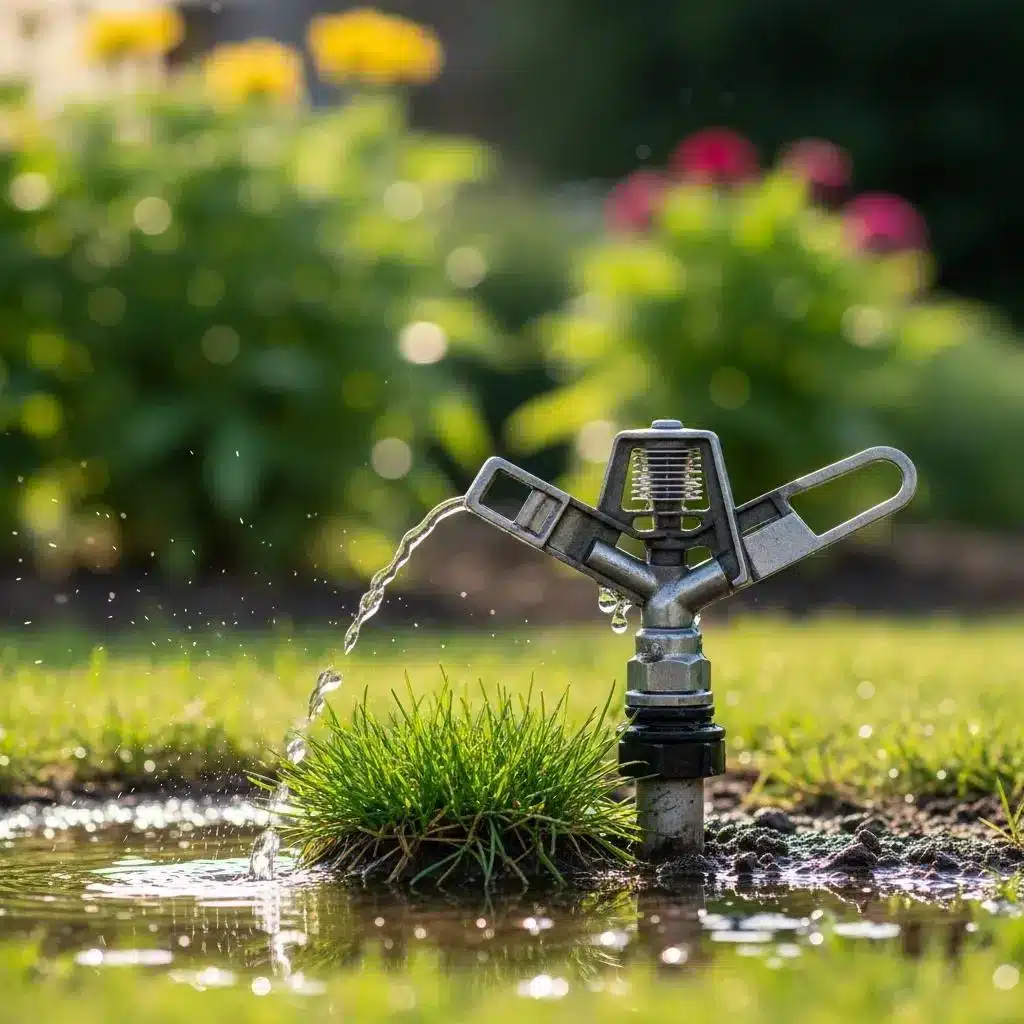
Watch for these signs:
- Water pooling around the sprinkler base
- Spray hitting sidewalks instead of grass
- Heads not popping up or getting stuck
- Weak or inconsistent spray patterns
In my experience, clogged heads are the most common issue. Dirt, grass, and debris slowly build up, reducing efficiency without you noticing right away.
What Are the Visible Signs of Irrigation Pipe Damage?
Pipe damage is a bit trickier because most of the system is underground. Still, the surface gives away more clues than you might expect. If you see unexplained wet areas or notice your system losing pressure, there’s a good chance a pipe is leaking somewhere below.
Here’s what usually points to pipe issues:
- Soft, muddy spots in your yard
- Grass growing unusually fast in one area
- Cracks in exposed pipes
- Sudden drop in system pressure
Small leaks might not seem urgent, but they can waste hundreds of gallons over time. Left untreated, they often turn into major breaks.
How Can You Diagnose Irrigation Valve Problems Effectively?
Valves control when and where water flows. If they fail, the entire system can behave unpredictably. Sometimes zones won’t turn on, or worse they won’t turn off. Diagnosing valve issues doesn’t always require technical expertise. A few simple checks can give you a clear idea of what’s wrong.
Look for these symptoms:
- Zones not activating at all
- Water running continuously in one section
- Clicking sounds without water flow
- Delayed start or shutdown
If you’re dealing with electrical valves, wiring issues are also common. Sometimes the problem isn’t the valve itself it’s the signal it receives.
What Tools Help Detect Valve and Pressure Issues?
You don’t need a full toolkit to diagnose most irrigation problems. A few basic tools can give you surprisingly accurate insights. Before you start digging or replacing parts, it’s worth checking pressure and flow properly. Guessing often leads to wasted time and money.
Here are the most useful tools:
- Pressure gauge to measure system output
- Moisture sensor to detect hidden leaks
- Screwdriver or probe for quick ground checks
- Timer/controller test mode for zone diagnostics
Using a pressure gauge alone can reveal a lot. If pressure is too low, there’s likely a leak or blockage somewhere in the system.
What Are the Best Methods for Sprinkler System Leak Detection?
Leak detection is where most homeowners either save money or lose it. The earlier you catch a leak, the cheaper it is to fix. The good thing is you don’t always need advanced tools. Basic observation works surprisingly well if done properly.
Start with these methods:
- Run each zone and observe water flow carefully
- Check for water pooling after system shutdown
- Listen for hissing or running water sounds
- Monitor your water meter for unusual activity
A simple trick that works: turn everything off and check your water meter. If it’s still moving, there’s a leak somewhere.
When Should You Call Professionals for Leak Repair?
Not every issue needs a professional, but some situations are better handled by experts. Trying to fix complex problems yourself can sometimes make things worse. If you’ve already tried basic troubleshooting and the issue keeps coming back, it’s usually time to step back.
Call a professional when:
- Leaks persist after multiple fixes
- You can’t locate the source of the problem
- The system has electrical or controller faults
- Large sections of the yard are affected
In most cases, professional repairs range from $150 to $500, but major pipe replacements can go higher.
How to Perform Basic Drip Irrigation Repair and Maintenance
Drip irrigation systems are efficient, but they require regular attention. Small blockages or leaks can quickly reduce their effectiveness. The biggest issue with drip systems is that problems are less visible. You won’t always see water spraying you’ll just notice plants struggling. To keep your system working properly, focus on routine checks and simple fixes.
What Are the Signs of Drip Irrigation Damage to Watch For?
Drip systems fail quietly, which makes them easy to ignore until plants start suffering. If parts of your garden look dry while others thrive, that’s usually your first clue. You might also notice slow water flow, clogged emitters, or small leaks along the tubing. Sometimes plants grow unevenly or show stress despite regular watering. Checking for blocked lines, cracked pipes, or loose connections early helps prevent bigger issues and keeps your system working properly.
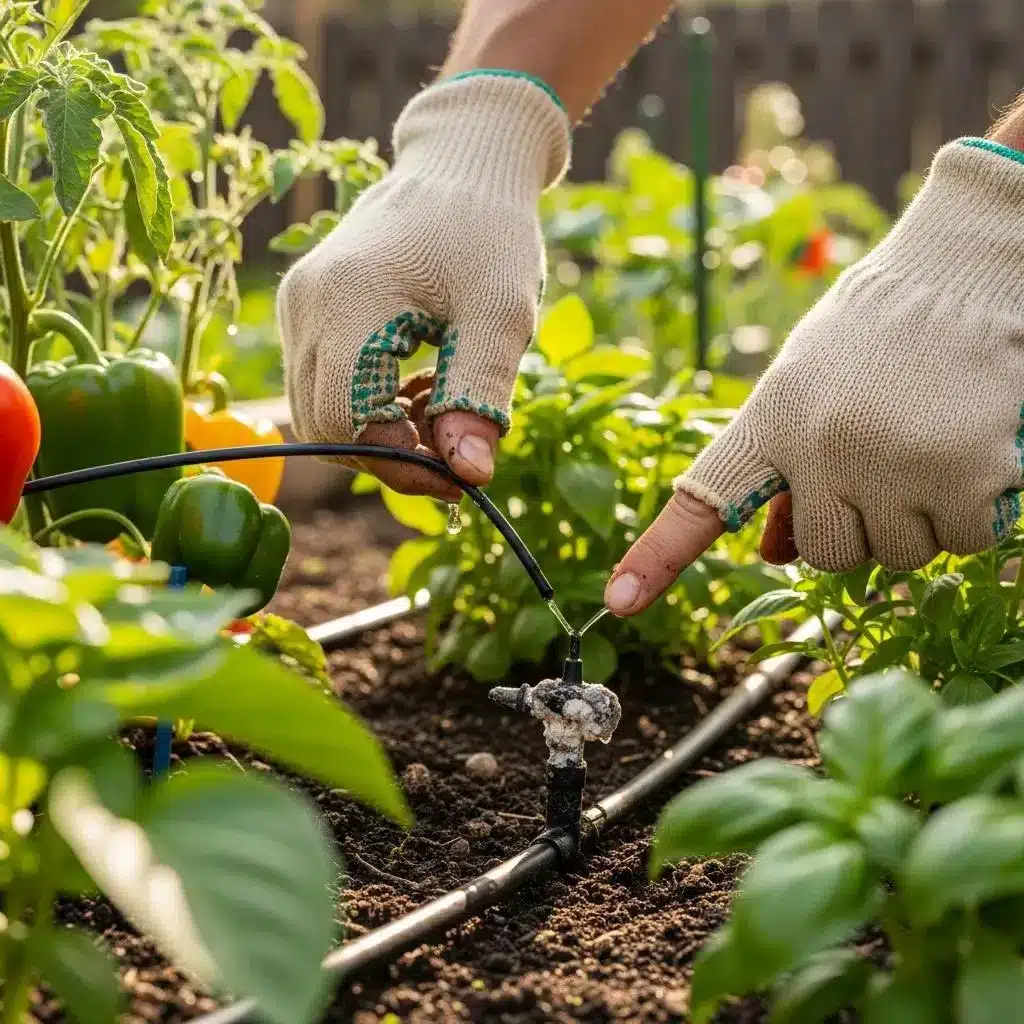
Here’s what to watch for:
- Dry patches despite regular watering
- Clogged emitters slowing water flow
- Leaking connectors or tubing
- Uneven plant growth patterns
Clogged emitters are especially common if your water isn’t filtered properly. Cleaning or replacing them usually solves the issue.
Which Maintenance Practices Prevent Further Irrigation Damage?
Most irrigation problems are preventable with simple maintenance. You don’t need to check everything daily just stay consistent with basic inspections. A well-maintained system lasts years longer and runs more efficiently.
Focus on these practices:
- Inspect the system at least once a month
- Clean or replace clogged sprinkler heads
- Flush drip lines every season
- Check pressure levels regularly
- Adjust sprinkler alignment when needed
Honestly, spending 30 minutes a month on maintenance can save hundreds in repairs later.
Why Regular Irrigation Inspections Matter for Long-Term Lawn Health
A healthy irrigation system isn’t just about water it directly affects how your lawn grows, looks, and survives seasonal changes. Small issues like pressure imbalance or minor leaks often go unnoticed but slowly reduce efficiency and plant health over time. Regular inspections help you catch these early, keep water usage under control, and maintain even growth across your landscape. Whether you manage a residential lawn or a larger property, consistent system checks make a clear difference in long-term results. Reliable irrigation isn’t about reacting to problems it’s about staying ahead of them.
Irrigation Problems? Get Expert Diagnosis & Repair That Actually Fixes the Issue
When your irrigation system starts acting up whether it’s uneven watering, low pressure, or hidden leaks it needs more than a quick fix. At Weaver’s Lawn Care & Design, the approach is simple: find the root problem and fix it properly so it doesn’t come back. From detailed inspections to targeted repairs, every system is handled based on its condition, not guesswork. Serving homeowners across Madison, Mentor, and Painesville, their team helps keep landscapes healthy without wasting water or money. If you’re noticing early signs of damage, getting a proper diagnosis now can save you from bigger repairs later.
Get Expert Diagnosis & Repair That Actually Fixes the Issue
Stop guessing and fix irrigation problems the right way. Get accurate diagnosis and reliable repairs before damage gets worse.
Get a QuoteFAQs
How do I know if my irrigation system has a leak?
Why is my sprinkler system losing pressure?
Can I fix irrigation problems myself?
How often should I inspect my irrigation system?
What causes uneven watering in lawns?