
How to Reseed a Lawn in 2026: Step-by-Step Guide for Thick, Healthy Grass
Knowing how to reseed a lawn can completely change the look of your yard without starting from scratch. Thin patches, bare spots, and uneven grass are common issues, especially after summer stress or heavy foot traffic. Reseeding helps fill those gaps and restore density. This guide explains how to reseed a lawn step by step, including timing, tools, and real tips that actually work in everyday conditions.
When Is the Best Time for How to Reseed a Lawn?
Timing plays a bigger role than most people expect. You can follow every step correctly, but if you reseed at the wrong time, results will be weak or uneven. For most regions, early fall is the best time to learn how to reseed a lawn. The soil is still warm, but temperatures are cooler, which helps seeds germinate faster. Spring is the second-best option, though weeds can compete with new grass.
Here’s a quick breakdown:
- Early Fall (Best): Ideal temperature and moisture balance
- Spring (Good): Works, but requires more weed control
- Summer (Avoid): Heat stress makes growth difficult
- Winter (Not Recommended): Seeds stay dormant
Signs Your Lawn Needs Reseeding
Before jumping into how to reseed a lawn, it helps to know if your lawn actually needs it. Many lawns look okay from a distance but have hidden thinning or damage. If you notice uneven color, bare spots, or grass that doesn’t bounce back after mowing, reseeding is likely the right move. Lawns that feel thin underfoot or allow weeds to spread easily are also strong candidates. Reseeding isn’t just about looks it improves durability, density, and overall lawn health.
Tools and Materials Needed for How to Reseed a Lawn
Getting the right tools upfront saves time and avoids frustration later. You don’t need expensive equipment, but a few essentials make a big difference.
Before starting the process, make sure you have:
- Grass seed (matched to your climate)
- Lawn rake or dethatcher
- Lawn mower
- Fertilizer (starter type)
- Garden hose or sprinkler system
- Optional: aerator for compact soil
Using the right seed type is often overlooked. Cool-season grasses like fescue or ryegrass work well in northern areas, while warm-season options suit southern climates.
Step-by-Step Process: How to Reseed a Lawn Properly
This is where most homeowners either get it right or waste time and money. Following the correct sequence matters more than doing everything perfectly.
Step 1: Mow and Clear the Lawn
Start by mowing your lawn shorter than usual. This helps seeds reach the soil instead of getting stuck in tall grass. After mowing, remove debris like leaves, sticks, and dead grass. A clean surface gives seeds direct contact with the soil, which is critical for germination.
Step 2: Loosen the Soil
Next, rake the lawn to loosen the top layer of soil. If your lawn feels compacted, consider aerating it. This step allows seeds to settle in and absorb moisture properly. Skipping this step is one of the main reasons reseeding fails.
Step 3: Spread the Grass Seed
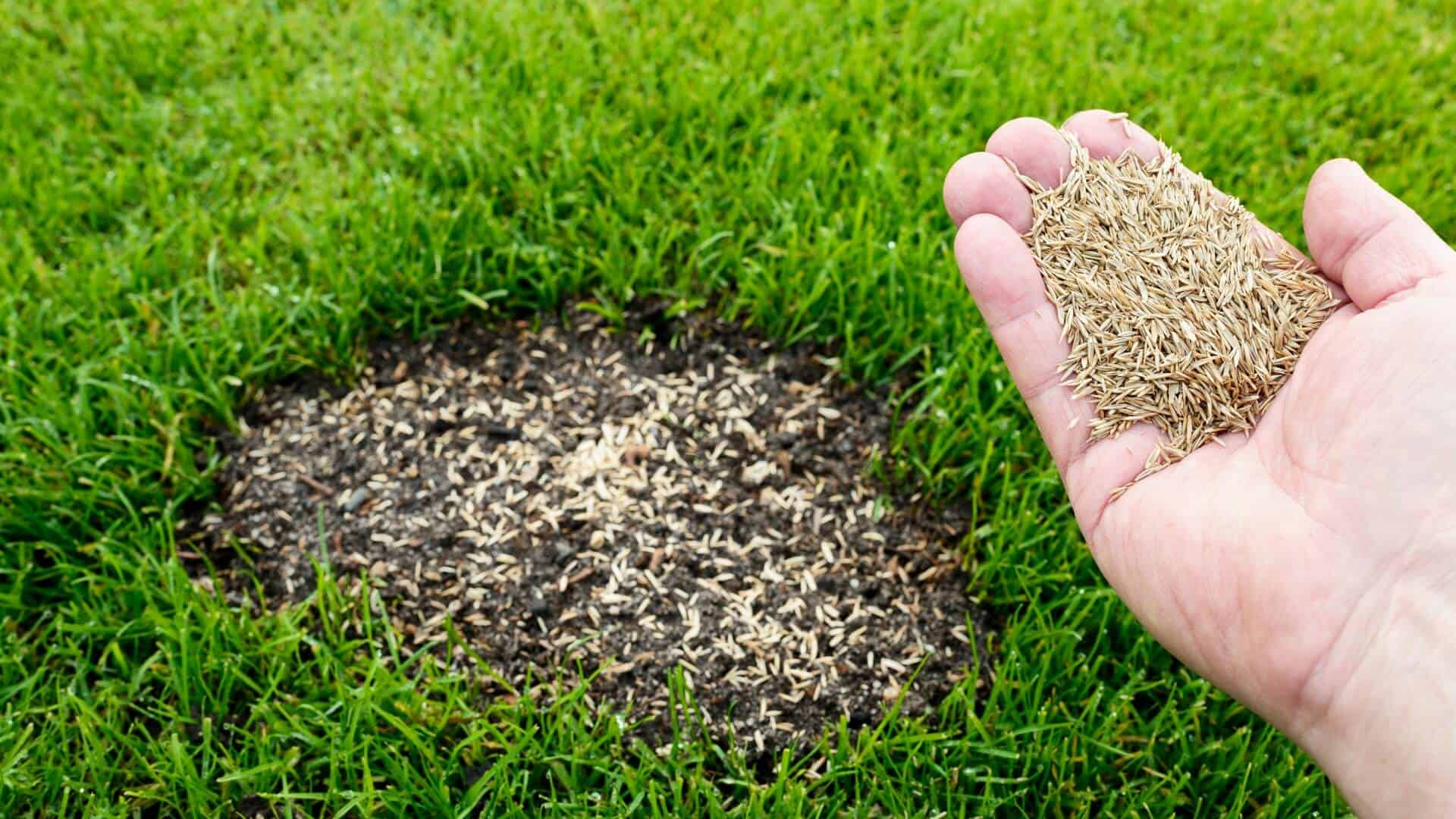
Even distribution is key when learning how to reseed a lawn. Spread seeds evenly across the area using your hands or a spreader. Avoid dumping too much seed in one spot. Overcrowding leads to weak growth and competition between seedlings.
Step 4: Apply Starter Fertilizer
After seeding, apply a starter fertilizer. This provides nutrients that help seeds establish faster and grow stronger roots. Look for fertilizers labeled specifically for new lawns or reseeding projects.
Step 5: Water Consistently
Watering is where most people either succeed or fail. The soil should stay consistently moist, not soaked. Light watering once or twice a day works best during the first two weeks. Once grass starts growing, you can reduce frequency and increase depth.
How Much Does It Cost to Reseed a Lawn in 2026?
Understanding cost helps you decide whether to DIY or hire professionals. Prices vary based on lawn size, condition, and materials used.
| Lawn Size | DIY Cost | Professional Cost |
| Small Yard | $50 – $120 | $150 – $300 |
| Medium Yard | $100 – $200 | $250 – $500 |
| Large Yard | $150 – $300 | $400 – $800+ |
DIY reseeding is cheaper, but professional services often deliver more consistent results, especially for larger or damaged lawns.
Common Mistakes When Learning How to Reseed a Lawn
Many people follow basic steps but still don’t get the results they expect. That usually comes down to a few avoidable mistakes.
These are the most common issues:
- Seeding without loosening soil
- Watering too little or too much
- Using the wrong grass type
- Seeding at the wrong time
- Skipping fertilizer
Even one of these can affect the final outcome. Paying attention to details makes a noticeable difference.
How Long Does It Take to See Results?
One of the most common questions around how to reseed a lawn is how long it takes to actually see growth. Most grass seeds begin germinating within 7 to 21 days, depending on the type. Full lawn thickness usually takes 4 to 8 weeks. Patience matters here. Walking on newly seeded areas too early can disrupt growth and create uneven patches.
Overseeding vs Reseeding: What’s the Difference?
People often confuse overseeding with reseeding, but they’re not the same thing. Reseeding focuses on repairing damaged or bare areas, while overseeding involves spreading new seed over an existing lawn to improve thickness. If your lawn has widespread thinning, overseeding may be enough. But if there are clear bare spots, learning how to reseed a lawn is the better approach.
What Professionals Do Differently
There’s a reason professional lawn care services often get better results. It’s not just about equipment it’s about consistency and timing.
Professionals typically:
- Test soil before seeding
- Use high-quality seed blends
- Apply precise seeding rates
- Monitor watering schedules closely
They also understand local conditions, which helps avoid common mistakes that homeowners often run into.
When You Should NOT Reseed a Lawn
Reseeding isn’t always the right solution. In some cases, it won’t fix the underlying problem. If your lawn has severe soil issues, drainage problems, or heavy shade, reseeding alone won’t solve it. You may need soil treatment or landscaping adjustments first. Trying to reseed without addressing these issues often leads to wasted effort.
Lawn Care Support That Makes Results Last
A freshly reseeded lawn needs proper follow-up care to stay thick and healthy. That includes mowing at the right height, watering deeply, and keeping weeds under control. For homeowners in areas like Madison, Mentor, or Painesville, ongoing lawn care can make a noticeable difference throughout the seasons. Services like aeration, overseeding, and seasonal cleanup help maintain growth after reseeding. Working with a reliable provider like Weaver’s Lawn Care & Design ensures your lawn stays consistent year-round, especially when dealing with changing weather and soil conditions across Ohio regions.
Get Lawn Care Support That Makes Results
Get help with lawn reseeding, patch repair, and healthy growth so your yard fills in more evenly and stays stronger through the season.
Get a QuoteFAQs
What is the fastest way to reseed a lawn?
The fastest way to handle how to reseed a lawn is by preparing the soil properly, using quality seed, and watering consistently. Quick germination depends more on moisture and soil contact than speed of application. Skipping prep usually slows everything down.
Can I just throw grass seed on my lawn?
Simply spreading seed without preparing the soil rarely works well. Seeds need direct contact with soil and consistent moisture to grow. Without that, most seeds won’t germinate, leading to patchy or uneven results.
How often should I reseed my lawn?
Most lawns benefit from reseeding every 2–3 years, depending on wear and condition. High-traffic areas or lawns exposed to harsh weather may need more frequent attention to maintain thickness and coverage.
Do I need fertilizer when reseeding?
Yes, starter fertilizer helps seeds grow stronger roots and establish faster. It provides essential nutrients during early growth stages, which improves overall lawn health and reduces the chances of weak or uneven patches.
Will grass spread to fill bare spots on its own?
Some grass types spread naturally, but most lawns won’t fill bare areas quickly without reseeding. If patches are visible, learning how to reseed a lawn is the most effective way to restore even coverage.