Top Residential Irrigation Installation Options for Your Lawn
Top Residential Irrigation Installation Options for Your Lawn: Choosing the Best System for Efficient Lawn Care
Selecting the right irrigation system for your lawn is crucial for maintaining its health and appearance. With various options available, understanding the benefits and mechanisms of each type can help homeowners make informed decisions. This article explores the top residential irrigation installation options, including lawn sprinkler systems, drip irrigation, and smart irrigation controllers. By addressing common concerns such as water efficiency and installation costs, readers will gain valuable insights into optimizing their lawn care practices.
What Are the Main Types of Residential Irrigation Systems?
Residential irrigation systems can be broadly categorized into three main types: lawn sprinkler systems, drip irrigation, and smart irrigation controllers. Each system has its unique mechanism and benefits, making them suitable for different lawn care needs. Understanding these options allows homeowners to choose the best system for their specific requirements, ensuring efficient water usage and optimal lawn health.
How Do Lawn Sprinkler Systems Work and What Are Their Benefits?
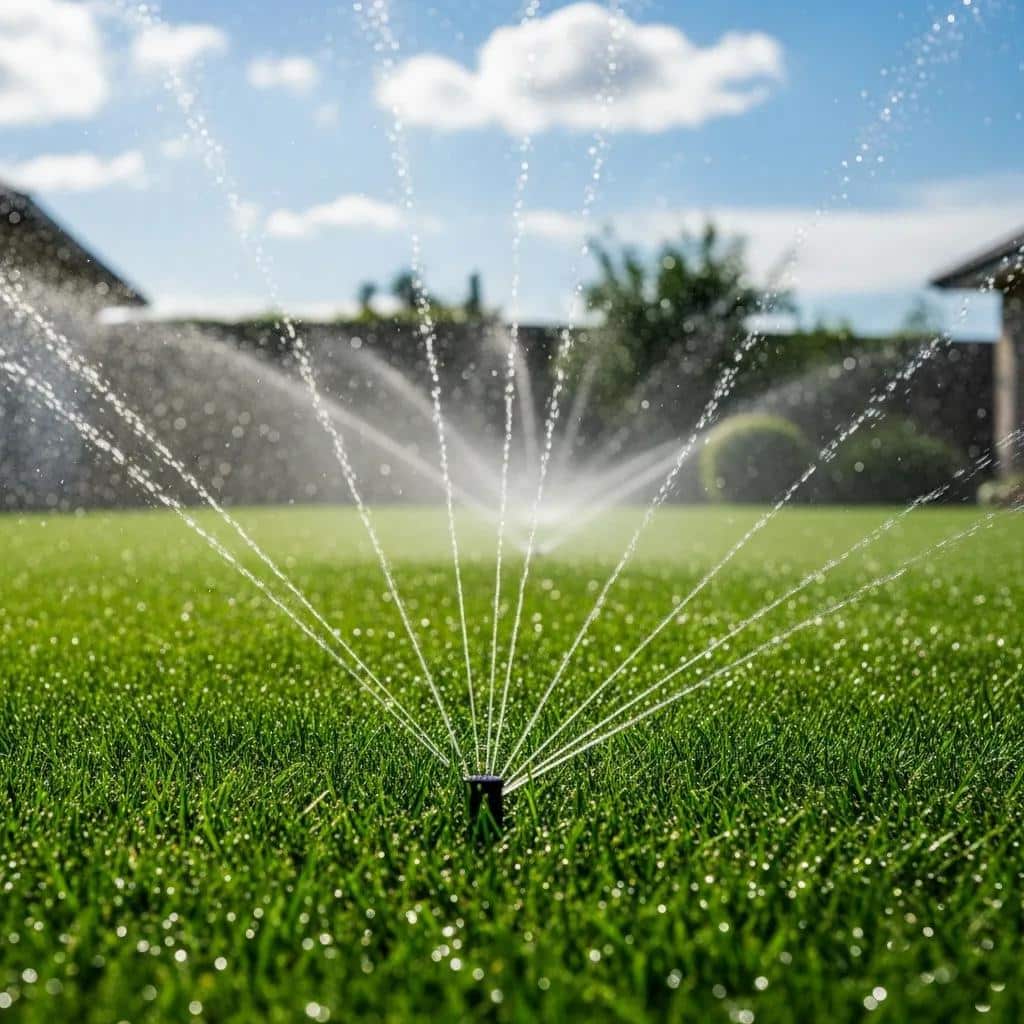
Lawn sprinkler systems operate by distributing water through a network of pipes and sprinkler heads, which can be adjusted to cover specific areas of the lawn. These systems are designed to provide even water distribution, promoting healthy grass growth and reducing water wastage. The benefits of lawn sprinkler systems include their ability to cover large areas efficiently, ease of automation, and the potential for cost savings on water bills when used correctly. Homeowners can enjoy a lush, green lawn with minimal effort, making sprinklers a popular choice for residential irrigation.
What Is Drip Irrigation Installation and When Is It Ideal?
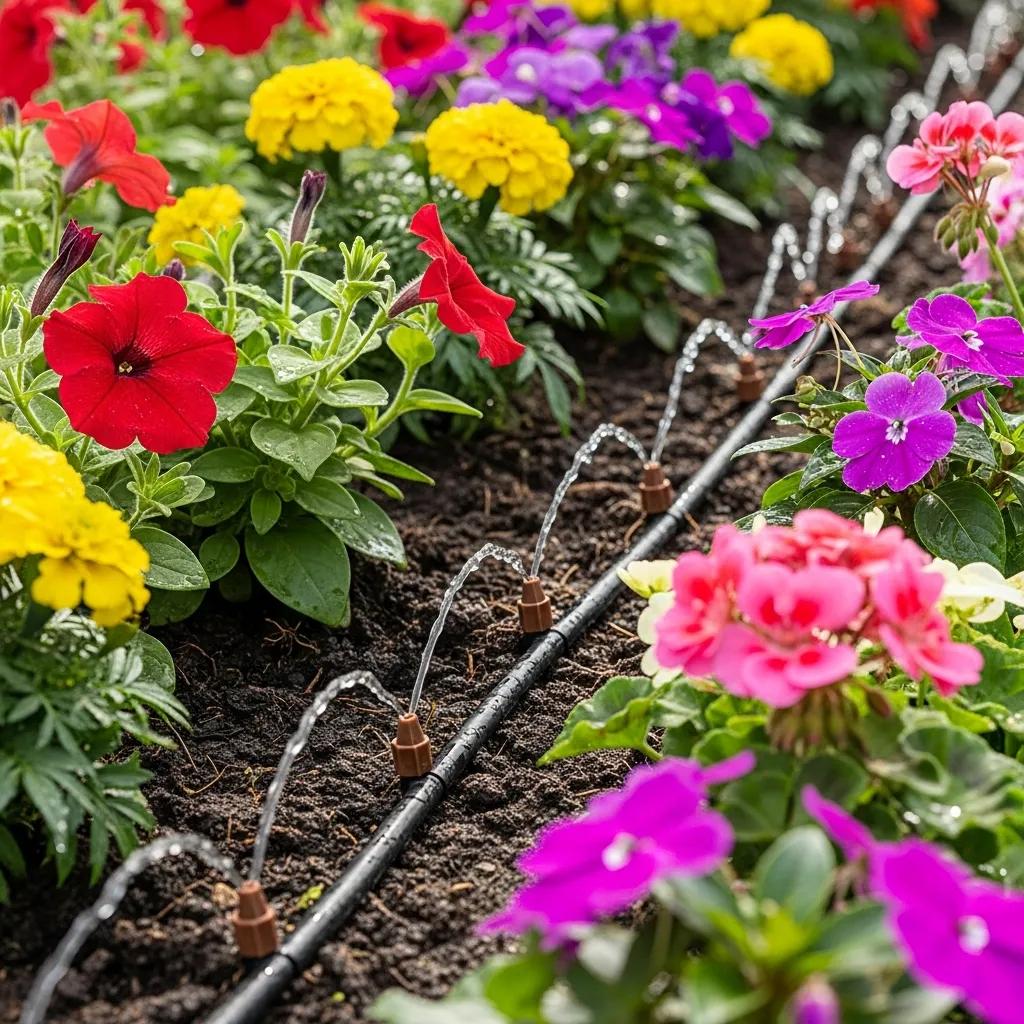
Drip irrigation involves the use of a network of tubing and emitters that deliver water directly to the root zone of plants. This method is particularly effective for gardens and flower beds, where precise watering is essential. Drip irrigation is ideal for conserving water, as it minimizes evaporation and runoff. The installation process typically includes laying out the tubing, connecting emitters, and ensuring proper coverage for all plants. Homeowners can benefit from reduced water usage and healthier plants, making drip irrigation a sustainable choice for residential landscaping.
How Do Smart Irrigation Controllers Improve Water Efficiency?
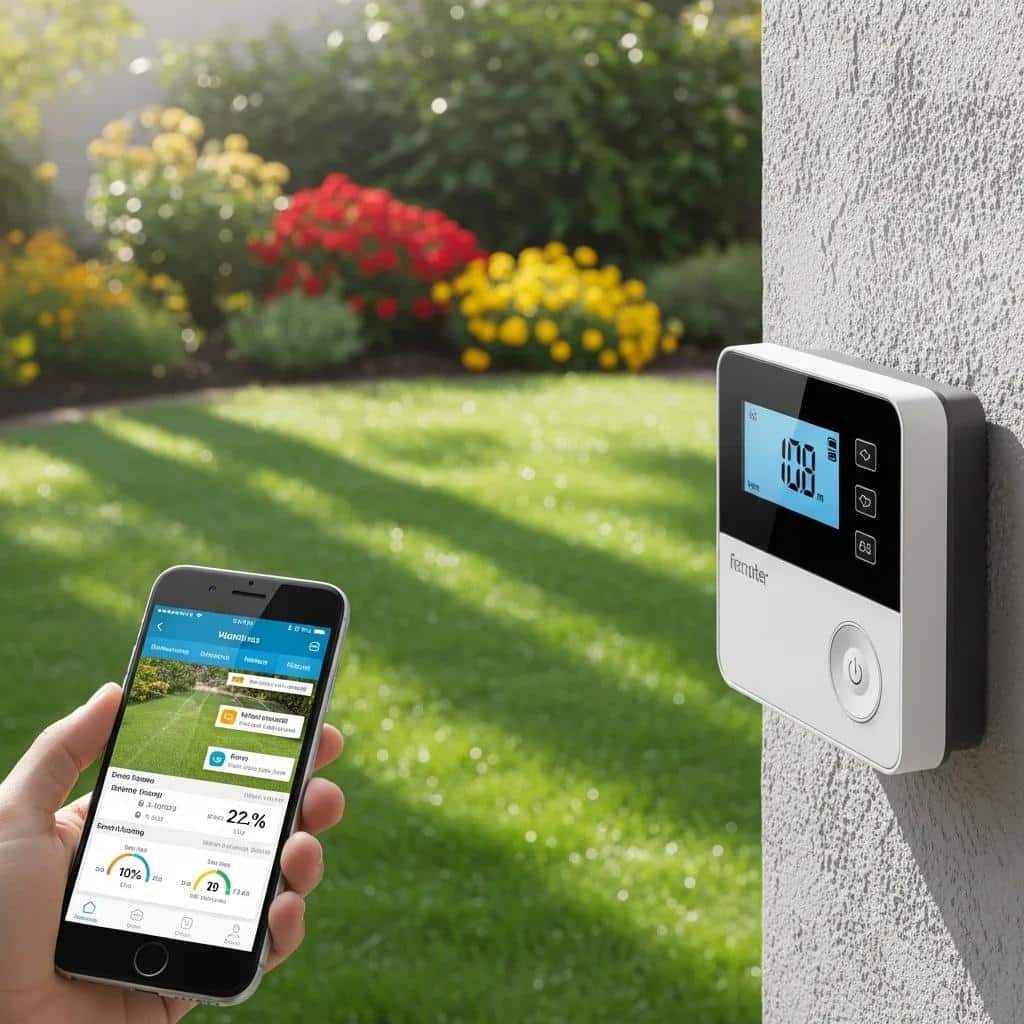
Smart irrigation controllers enhance traditional irrigation systems by using weather data and soil moisture levels to optimize watering schedules. These devices can adjust the amount of water applied based on real-time conditions, ensuring that lawns receive the right amount of moisture without overwatering. This technology not only conserves water but also reduces utility costs, making it an attractive option for environmentally conscious homeowners.
What Features Should You Look for in Smart Irrigation Technology?
When selecting a smart irrigation controller, homeowners should consider several key features. Connectivity options, such as Wi-Fi or Bluetooth, allow for remote access and control via smartphone apps. A user-friendly interface simplifies programming and adjustments, while water usage tracking features provide insights into consumption patterns. Additionally, compatibility with existing irrigation systems is crucial for seamless integration. These features collectively enhance the efficiency and convenience of lawn care.
How Do Smart Controllers Reduce Water Consumption and Costs?
Smart controllers significantly reduce water consumption by utilizing data-driven watering schedules that adapt to changing weather conditions. For instance, if rain is forecasted, the system can automatically skip scheduled watering, preventing unnecessary water use. Real-time weather adjustments ensure that lawns receive adequate moisture without waste, leading to long-term cost savings on water bills. Homeowners can enjoy a healthy lawn while being mindful of their environmental impact.
What Are the Typical Costs of Sprinkler System Installation?
The costs associated with installing a sprinkler system can vary widely based on several factors, including the size of the lawn, the type of system chosen, and labor costs. On average, homeowners can expect to pay between $2,000 and $4,000 for a professionally installed system. Understanding these costs is essential for budgeting and ensuring that the chosen system meets both financial and functional needs.
Which Factors Influence the Installation Cost of Residential Irrigation Systems?
Several factors can influence the overall cost of installing residential irrigation systems. The size of the lawn is a primary consideration, as larger areas require more materials and labor. The type of system selected—whether a basic sprinkler system or a more advanced smart irrigation setup—also impacts pricing. Additionally, local labor rates and any necessary landscaping modifications can further affect installation costs. Homeowners should obtain multiple quotes to ensure they receive a fair price for their chosen system.
How Can You Budget for Automatic Irrigation System Installation?
Budgeting for an automatic irrigation system involves estimating total costs, setting aside funds, and considering ongoing maintenance expenses. Homeowners should begin by researching the average installation costs in their area and determining the specific features they desire. Setting aside a contingency fund for unexpected expenses can also be beneficial. Additionally, considering the long-term savings on water bills can help justify the initial investment in an automatic irrigation system.
How Should You Maintain Your Residential Irrigation System for Longevity?
Regular maintenance is essential for ensuring the longevity and efficiency of residential irrigation systems. Homeowners should perform routine checks to identify any issues, such as leaks or clogged emitters, which can hinder performance. Seasonal maintenance tasks, such as winterizing the system and adjusting sprinkler heads, are also crucial for optimal operation.
What Are Common Maintenance Tips for Sprinkler and Drip Systems?
To maintain sprinkler and drip systems effectively, homeowners should follow these common maintenance tips:
- Inspect for Leaks: Regularly check for leaks in pipes and connections to prevent water loss.
- Clean Filters and Nozzles: Ensure that filters and nozzles are free from debris to maintain proper water flow.
- Adjust System Settings: Periodically adjust watering schedules based on seasonal changes and plant needs.
By implementing these maintenance practices, homeowners can enhance the efficiency and lifespan of their irrigation systems.
How Can Regular Maintenance Improve Water Efficiency and System Performance?
Regular maintenance not only extends the life of irrigation systems but also improves water efficiency. By addressing issues promptly, homeowners can prevent water waste and ensure that their systems operate at peak performance. This proactive approach leads to healthier lawns and gardens, ultimately resulting in cost savings on water bills. Understanding the importance of maintenance empowers homeowners to take control of their irrigation systems and achieve optimal results.
This table summarizes the typical costs and efficiency levels of various irrigation systems, helping homeowners make informed decisions based on their specific needs and budgets. For more information on residential irrigation, consider consulting with a professional.
Why Homeowners in Lake County Choose Weaver’s Lawn Care & Design
If you want an irrigation setup that fits your property instead of a one-size-fits-all layout, working with a local team helps. Weaver’s Lawn Care & Design serves homeowners and businesses across Madison, Perry, Geneva, Mentor, Painesville, Concord, Chardon, Kirtland, Eastlake, Wickliffe, and Willowick. Along with outdoor maintenance and landscaping, they understand how lawn areas, planting beds, shrubs, and seasonal conditions affect watering needs. That local experience matters when choosing between sprinkler zones, drip lines, or a mixed system. A yard in Ohio needs practical planning, clean installation, and follow-up care that keeps the system working after the first season.
Get Residential Irrigation Installation Services
Planning a new irrigation system starts with choosing the right setup for your lawn, beds, and water use. Get expert help with installation, zoning, and smart control options that fit your property.
Get a QuoteFAQs
What is the best irrigation system for a residential lawn?
For most lawns, an in-ground sprinkler system is the best choice because it covers turf evenly and can be split into zones. If your property also has planting beds or shrubs, adding drip irrigation to those areas usually gives better results and wastes less water.
Is drip irrigation better than sprinklers?
It depends on the area you are watering. Drip irrigation is better for flower beds, shrubs, gardens, and foundation plantings because it sends water right to the roots. Sprinklers are usually better for open lawn areas where broad, even coverage matters more.
How much does a residential sprinkler system cost in 2026?
Professional sprinkler installation often falls around $1,637 to $3,581 on average, though some projects cost less and larger properties can cost much more. Final pricing depends on yard size, zones, trenching, controller type, and any permit or backflow requirements.
Do smart irrigation controllers really save money?
Yes, they often do. EPA WaterSense says a labeled irrigation controller can save an average home up to 15,000 gallons of water per year by adjusting schedules based on weather or soil conditions. That can reduce both waste and utility costs over time.
How often should an irrigation system be maintained?
A quick monthly check during watering season is a good rule for most homes. You should also inspect the system at the start of the season, adjust settings as weather changes, and winterize it before freezing temperatures if you live in a cold region.