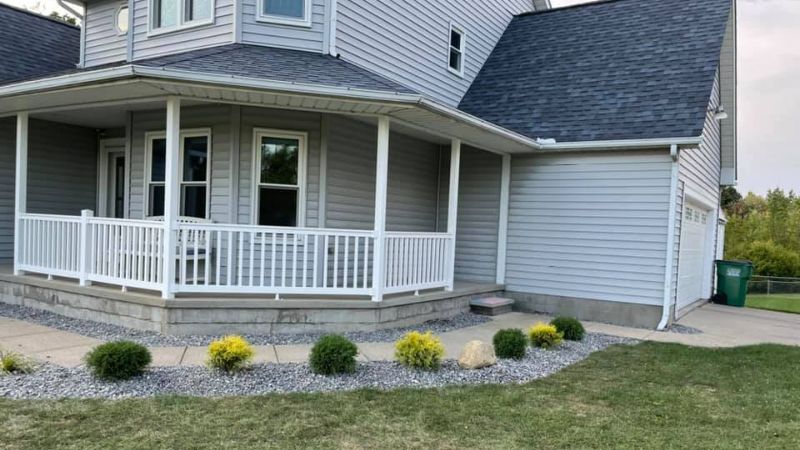
Hardscaping vs. Softscaping: What You Should Know in 2026
Do you stroll through your neighborhood eyeing the beautiful landscaping of your neighbors, wishing you could turn your yard into something more than a patch of grass? Landscape planning and design can feel like one of the most daunting parts of homeownership, whether you are a first-time homeowner or have owned a home for years.
Maybe you’ve heard those terms before? And maybe, you don’t have a clue about what they are? Below, we dive into the basics that every homeowner should know about hardscaping and softscaping.
HARDSCAPING
While it may sound like a very technical term, hardscaping is simply the hard stuff in your landscape. Anything non-living that provides definition, decoration, structure, continuity, or function constitutes as hardscape. Hardscape elements don’t change over time and bring a sense of order to your landscape by breaking up the natural elements.
CHARACTERISTICS OF HARDSCAPE
Here are a few attributes of hardscape that set them apart from other landscaping elements:
- Hardscape is hard but moveable like rocks, gravel, pavers, and stones.
- It includes inanimate objects such as benches, sculptures, or firepits.
- The solid objects that make up the hardscape are unchanging — brick stone doesn’t grow or change its size.
- Hardscape can be of varying sizes. It includes everything from a small flower pot to a multi-levelled retaining wall.
- The materials can be human-made, like a gazebo, or natural, like river rocks.
- Often, hardscaping is for aesthetic purposes (a well-lit boulder in a front flower bed) or for functional purposes (a retaining wall that prevents soil from sliding).
- Some hardscape installations can influence environmental factors. A great example found at many homes is the driveway. Pavement is not very porous and can increase water runoff, so it’s essential to consider the different consequences to your installation and make sure it won’t cause any problems.
IDEAS FOR ADDING HARDSCAPE TO YOUR LANDSCAPING
Patios made from tile, concrete, wood, flagstone, brick, or pavers.
Decks constructed of wood or composite decking.
Retaining walls made of stone, landscape boulders, wood, or blocks.
Pathways using gravel, stone, brick, concrete, or wood.
Driveways formed from concrete or pavers.
Steps built of wood and gravel, sidewalk block, oversized stone slabs, or rocks.
Fences from materials like wood planks, lattice, steel, and iron.
Arbors, gazebos, and pergolas made from wood or metal.
Outdoor kitchens as simple as a counter height table and a bar-b-que or as extravagant as a built-in pizza oven.
Garden bed borders outlined with edging stone, landscape tubing, wood, or rocks.
Fountains created from stone, ceramic, pots, or concrete.
Water features such as waterfalls, ponds, and creeks.
Swimming pools and lounge areas.
Dry creek beds designed to assist with water drainage.
Because hardscape can cost more upfront, require more expertise, and be a needed addition, you might want to consider consulting a professional. A professional will ask you important questions to help you narrow down where to start and what options work best within your budget. Typically, you want to start with your hardscaping and then incorporate your softscaping.
Wondering what softscape is? Let’s dive in!
SOFTSCAPING
Softscape the living features — the plants — of landscape design. Softscape can be permanent or temporary, changes and grows, and adapts to the climate and other surroundings. Typically, softscaping is designed around your hardscaping to fill things in, soften the aesthetic, and bring about balance.
CHARACTERISTICS OF SOFTSCAPE
- Softscape objects are the plants in your landscape. It is often soft to the touch, but not always — think rabbit’s ear leaves compared to a tree trunk.
- It includes plants of all sizes, from swaths of grass and enormous cedar trees to delicate lilac flowers and moss.
- It can be left au natural like a garden of wildflowers or sculpted into shapes like boxwood shrubs.
- Softscape requires maintenance to keep its size and shape since it continually grows and changes.
- Softscape can help to create ambience using color and aroma but can also help in practical ways too. Deep rooting plants can help with stability and prevent erosion in sloped areas of a property.
- Most softscape installations are heavily affected by climate. Sun, shade, wind, rain and soil type should all be considered when choosing your softscape elements.
IDEAS FOR ADDING SOFTSCAPE TO YOUR LANDSCAPING
Hedges instead of a fence or as a privacy screen.
A vegetable garden can be practical, beautiful, and fulfilling. Planning, planting, growing, and harvesting your food is a hobby that adds interest to your landscape.
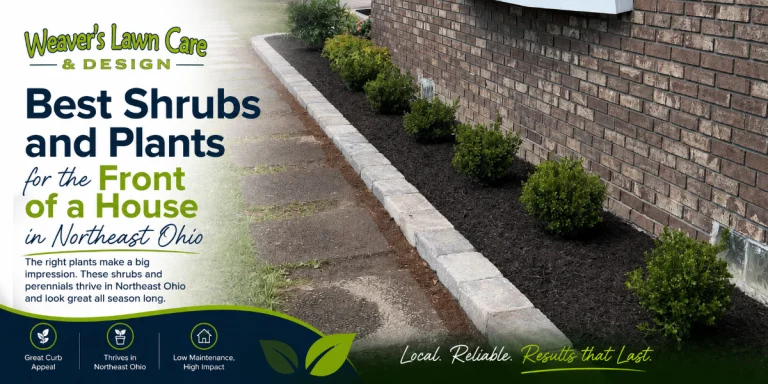
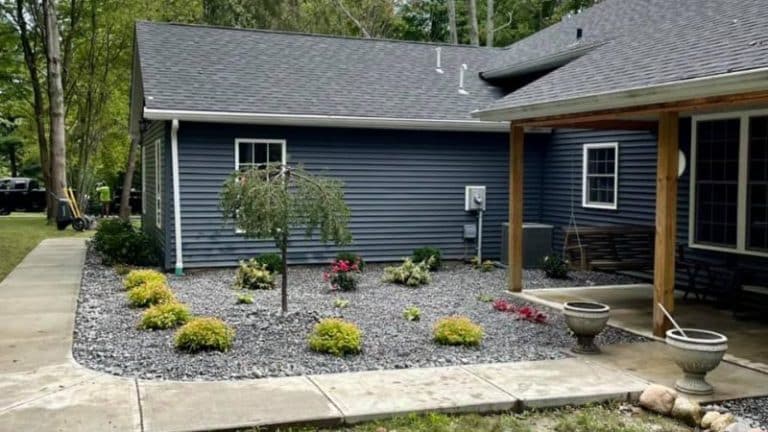
Landscape beds filled with shrubs, bushes, flowers, and a little bit of hardscape material create a beautiful focal point year-round.
Annuals in pots or mixed in with perennials for a punch of color. Annuals are also great for changing the look of permanent hardscape elements like built-in planters, water features, and rock gardens.
Perennials are long-term plants and flowers that don’t need replacing each year. Some are evergreen and flower at certain times of the year (if at all), while others are deciduous and lose their leaves each season. Perennials vary in maintenance levels from an occasional prune to regular fertilizing and deadheading and everything in between.
Planting grass is one of the most common ways to add softscape to your landscape. Many of today’s landscape designers don’t just incorporate a giant square mass of lawn (although, there is a place for that, especially when beautifully mowed and trimmed). Now, you’ll often see curved patches between garden beds or rock gardens, or maybe even a putting green.
When it comes time to add your softscape elements, you should think about the future. Remember, these are living components, and they will grow and change, unlike their fixed counterparts, hardscape. Plant them according to the size they will be, not the size they are. Look at how much maintenance they will require. If you don’t want to prune them semi-annually, mow them weekly, or plant them yearly, then it’s not the right choice for you.
As mentioned earlier, the best-looking landscape designs don’t overload one element or the other. Too many hardscape features without the contrast of softscape features can leave a yard looking empty and unnatural, whereas an overabundance of softscaping can feel jungle-like and overdone. Instead, a well-designed plan will use both hardscape and softscape to enhance curb appeal, extend outdoor living space, protect from weather, execute a functional necessity, or create an outdoor oasis.
At Weaver’s Lawn Care & Design, we bring expertise and experience to every landscape project we do. To learn more about how we can help you with your hardscape and softscape projects, call 440-840-6840 or fill out our online contact form.
Professional Hardscape and Softscape Services in Ohio
Creating a balanced landscape takes more than adding random plants or stone features. The most successful outdoor spaces combine structure, greenery, usability, and long-term planning in a way that fits the property naturally. Whether you want a new patio, retaining wall, garden beds, mulch installation, or complete landscape redesign, professional guidance can save time and prevent costly mistakes later.
Weaver’s Lawn Care & Design provides professional landscaping, hardscaping, lawn installation, seasonal cleanup, and property maintenance services throughout Lake County, including Madison, Perry, Geneva, Mentor, Painesville, Concord, Chardon, Kirtland, Eastlake, Wickliffe, and Willowick.
Get Professional Hardscape and Softscape Services in Ohio
Create a balanced outdoor space with patios, plants, walkways, and landscape features designed to improve beauty, comfort, and long-term property value.
Get a QuoteFAQs
Is hardscaping more expensive than softscaping?
In most cases, yes. Hardscaping usually costs more upfront because it involves construction materials, excavation, and labor. Patios, retaining walls, and outdoor kitchens require more installation work compared to planting grass or shrubs. However, hardscape often lasts much longer with less maintenance.
Can you have too much hardscape in a yard?
Yes, excessive hardscape can make a property feel cold, overly artificial, and less welcoming. It may also increase drainage issues and heat buildup if there are not enough plants or shaded areas. A balanced design usually looks more natural and comfortable.
What is considered softscaping?
Softscaping includes all living landscape elements such as grass, flowers, shrubs, trees, mulch beds, and gardens. These features grow and change over time, requiring regular maintenance like watering, pruning, fertilizing, and seasonal cleanup.
Should landscaping start with plants or patios?
Most professional projects start with hardscape elements first. Installing patios, walkways, retaining walls, and drainage systems before planting helps avoid damage to new landscaping and creates a more organized overall design plan.
What adds more value to a home: hardscape or softscape?
Both can improve property value when designed properly together. Hardscape usually adds more long-term usability through patios, outdoor seating, and walkways, while softscape improves curb appeal and creates a welcoming appearance. The best results come from combining both effectively.