Garden Bed Makeover Cost in Northeast Ohio
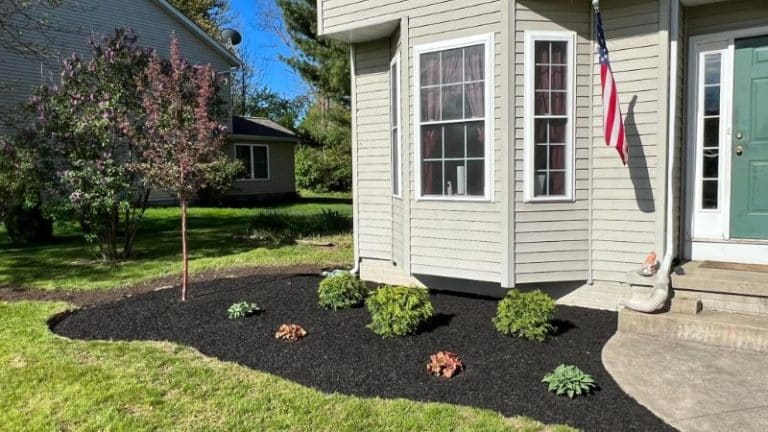
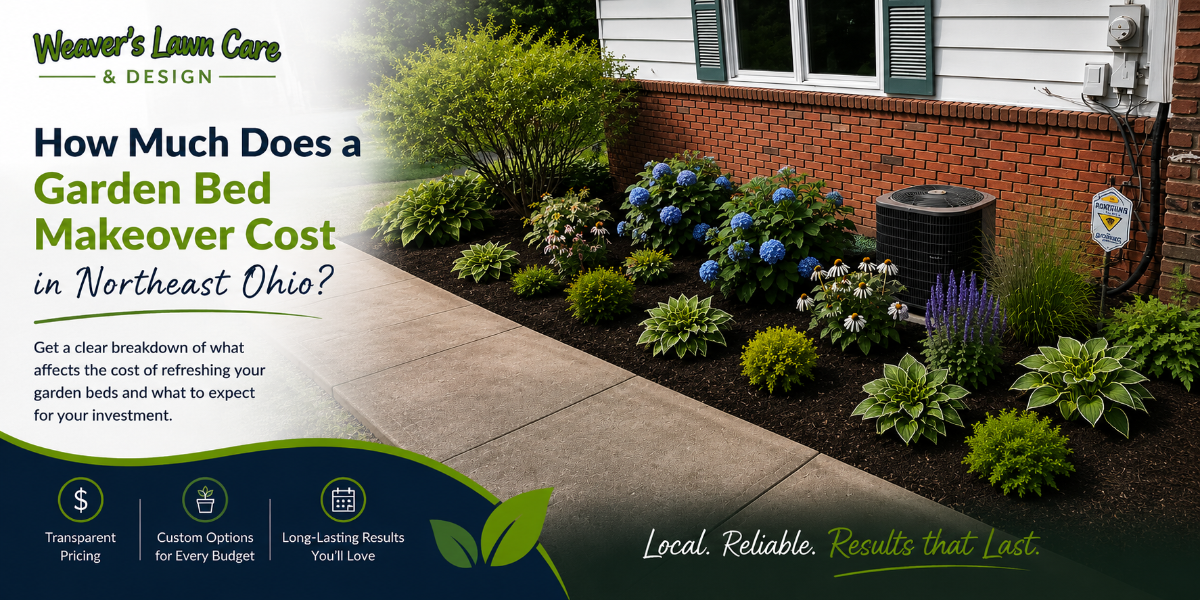
A garden bed makeover can be one of the most noticeable changes you make to the outside of your home. Old shrubs come out, bed lines are cleaned up, plants are reorganized, and areas that have looked tired for years can suddenly feel like they belong with the house again.
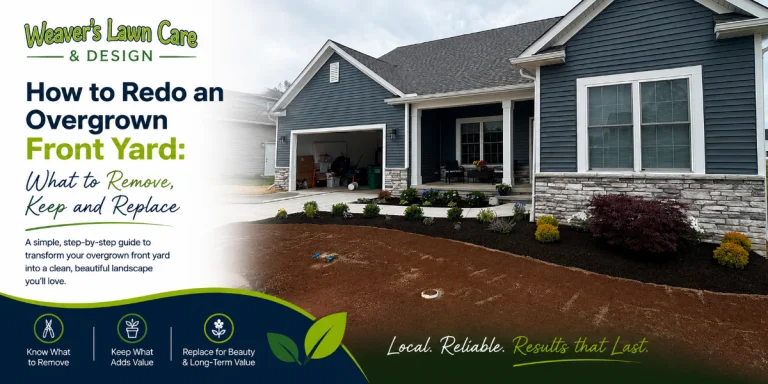
The cost depends heavily on what you mean by a makeover. Refreshing a relatively healthy bed with a few new plants and fresh mulch is very different from removing an overgrown foundation landscape and rebuilding it with a new planting plan.
For the larger renovation projects we handle at Weaver's Lawn Care & Design, homeowners should generally think in terms of several thousand dollars rather than a few hundred. A more involved garden bed makeover can commonly fall into the $5,000 to $10,000 range, while larger projects involving multiple beds, substantial removal, and extensive new planting can reach $10,000 to $25,000. Smaller, focused projects can certainly come in below those ranges.
For homeowners in Perry, Madison, Mentor, Painesville, Concord, Kirtland, Chardon, Geneva, and surrounding Northeast Ohio communities, the best way to understand the cost is to look at what actually goes into renovating an established landscape.
First, decide whether you need a refresh or a true garden bed renovation
Two homeowners can both say they want their garden beds redone while describing completely different projects.
One property may already have healthy shrubs and a good bed layout. It might need selective pruning, several replacement plants, cleaner edges, and fresh mulch. Another may have 20-year-old shrubs covering the windows, deteriorated edging, buried landscape fabric, and a bed that is too narrow for the house.
A professional garden bed renovation may involve much more than planting.
Your project is more likely to be a substantial makeover when:
-
- Several established shrubs need to be removed
- The existing bed shape needs to change
- Most of the plants need to be replaced
- You want the new beds designed as part of the overall front yard
Understanding that difference is important when setting a budget. A cleanup improves what you already have. A renovation gives you an opportunity to correct the things that are not working.
A smaller garden bed makeover may cost less than $5,000
Not every project needs a $5,000-plus budget. A smaller bed with relatively little demolition can often be improved for less, especially when several existing plants are worth keeping.
This type of project might focus on one visible area near the entrance or a relatively short section of foundation landscaping.
A smaller makeover could include:
-
- Removing a few unwanted or declining plants
- Keeping established shrubs that still fit the space
- Adding several new shrubs or perennials
- Cleaning up the bed edge and installing fresh mulch
The condition of the existing landscape matters. If extensive root removal, stone removal, or other preparation is required, even a physically smaller area can involve considerable work.
For a straightforward project, Weaver's can evaluate whether a focused landscape improvement makes more sense than rebuilding the entire front yard.
$5,000 to $10,000 is a useful range for a more substantial makeover
Once you get into the $5,000 to $10,000 range, there is usually more flexibility to make meaningful changes rather than simply swapping out individual plants.
Depending on the property, this might cover a larger foundation bed, several connected planting areas, or a front entrance where both removal and new planting are required.
A project in this range might include:
-
- Removing established shrubs and unwanted plant material
- Reshaping portions of the existing garden beds
- Installing a coordinated mix of shrubs, grasses, and perennials
- Finishing the renovated areas with defined edges and mulch
This is also where a professional landscape design becomes especially valuable. Instead of replacing each old shrub with another shrub, the entire bed can be reconsidered based on the house, mature plant sizes, sunlight, and the amount of maintenance you want.
A $10,000 to $25,000 budget can transform several areas around the house
Larger landscape makeovers often extend beyond a single bed. The front foundation may need work, but so might the planting around the porch, the area beside the driveway, and beds that continue around one or both sides of the house.
At that point, the project is closer to a broader residential landscape renovation.
Depending on the size of the property and plant selections, a $10,000 to $25,000 project could involve:
-
- Removal of extensive overgrown landscaping
- Renovation of multiple garden beds
- New shrubs, perennials, ornamental grasses, and small trees
- Mulch, bed edging, and supplemental improvements such as landscape lighting
Weaver's is primarily focused on landscape renovation rather than complex hardscape construction, so these budgets are generally being directed toward improving the actual landscape: removal, design, bed preparation, planting, mulch, and related finishing work.
Shrub and plant removal can take a significant part of the budget
When homeowners look at an old garden bed, they naturally focus on what they want to put back into it. Before that can happen, however, the existing material often has to come out.
A mature yew or other established foundation shrub can have a substantial root system. Removing several of them is considerably different from pulling out young plants.
Removal costs are affected by:
-
- The number and size of existing shrubs
- The size and depth of established root systems
- Access for equipment and debris removal
- How close plants are to the house, utilities, walkways, and other features
Professional yard cleanup services can handle unwanted landscape material, but for a renovation, removal should ideally be planned around what comes next. Clearing everything first without a replacement plan can result in unnecessary work or the loss of mature plants that could have stayed.
Keeping some established plants can make your budget go further
A garden bed makeover does not automatically mean starting from bare soil.
Healthy, appropriately located plants can be valuable. A mature ornamental tree or well-positioned flowering shrub may already provide the size and structure that a new plant would take years to develop.
Plants are often worth considering for preservation when:
-
- They are healthy and structurally sound
- They naturally fit the available space
- They work with the new landscape style
- They do not require excessive pruning to stay under control
During a garden bed evaluation, Weaver's can identify which existing plants are helping the landscape and which ones are making the yard harder to maintain. Selective removal can sometimes produce a better result than clearing everything.
Old rock, landscape fabric, and edging can increase the cost
The most difficult part of renovating an older bed is sometimes underneath the plants.
Properties that have been landscaped several times may contain old plastic edging, buried landscape fabric, layers of decorative stone, compacted soil, and roots from plants that were removed years ago. These materials can interfere with reshaping and replanting the bed.
Preparation may require:
-
- Removing old landscape fabric
- Removing or relocating decorative rock
- Taking out outdated edging
- Clearing roots and other buried debris
These conditions are one reason an on-site evaluation is useful before pricing a landscape renovation. Two beds that look similar in photographs can require very different amounts of preparation once work begins.
Reshaping the garden beds can be worth the additional investment
If you are already removing a substantial amount of old landscaping, it is worth asking whether the existing bed shape should remain.
Many older Northeast Ohio homes have narrow foundation beds that leave very little room between the house and lawn. Those beds may have worked when the shrubs were young, but they become difficult once plants reach mature size.
Expanding or reshaping the beds can provide:
-
- More room between plants and the foundation
- Space for layered shrubs, grasses, and perennials
- Better proportions around the house
- More natural spacing as plants mature
A professional landscape plan can determine where changing the bed shape will actually improve the finished yard. There is no reason to make beds larger just for the sake of it, but an undersized bed can severely limit an otherwise good planting design.
Plant selection is another major part of the final cost
Plants vary widely in price. The species matters, but so do container size, maturity, availability, and the quantity needed for the design.
Larger plants generally create more immediate impact, but they also increase the plant budget. Smaller material can cost less and fill in naturally over time when it is spaced correctly.
A new planting plan might include:
-
- Compact evergreens for year-round structure
- Hydrangeas or other flowering shrubs
- Perennials for seasonal color
- Ornamental grasses and small trees for additional texture and height
During a planting design, it often makes sense to put more of the plant budget into important focal areas and use repeated, appropriately sized material throughout the rest of the beds.
You do not need to fill every square foot with plants
A newly installed landscape is supposed to have some open space. Shrubs and perennials grow, and a bed designed around their mature sizes should look more established each year.
Trying to make everything look completely full immediately can increase both the initial price and future maintenance costs.
Proper spacing gives plants:
-
- Room to reach their natural mature width
- Better air circulation
- Clearance from windows, siding, and walkways
- Space to grow without competing heavily with neighboring plants
Professional landscape installation should account for what the bed will look like several years after installation, not just on the day the project is completed.
Mulch and bed finishing should be included in the makeover
Once the removal, preparation, and planting are complete, mulch helps bring the entire project together.
It covers the open areas intentionally left between young plants, creates a consistent appearance, helps retain soil moisture, and reduces the amount of exposed soil where weeds can become established.
A completed bed should generally have:
-
- Clean, defined edges
- Consistent mulch depth
- Proper clearance around trunks and plant stems
- A finished transition between the planting area and lawn
Professional mulch installation is a relatively small piece of a substantial renovation budget, but it makes a significant difference in how complete the finished project looks.
Low-maintenance landscaping does not necessarily mean a cheaper installation
Homeowners sometimes assume a lower-maintenance garden bed should automatically cost less to install. That is not necessarily the case.
Low maintenance is more about choosing the right plants and layout than simply using fewer materials. You may still invest in quality shrubs, proper bed preparation, and professional installation. The benefit comes later when plants do not need constant corrective pruning or replacement.
A lower-maintenance design might prioritize:
-
- Shrubs that naturally fit below windows
- Fewer plant varieties repeated throughout the beds
- Perennials and grasses that mostly require seasonal cleanup
- Simple bed shapes that are easy to mow around
Weaver's also provides landscape maintenance services, but designing a bed that naturally requires less intervention can reduce unnecessary work regardless of who maintains it.
Landscape lighting can be added while the beds are being renovated
Landscape lighting is not necessary for every garden bed makeover, but a larger renovation is a logical time to consider it.
If new shrubs, ornamental trees, and bed shapes are already being planned, fixtures can be positioned around the finished landscape instead of squeezed into an established planting later.
Professional landscape lighting can:
-
- Highlight ornamental trees and larger shrubs
- Bring attention to the front entrance
- Add visibility along walkways
- Give larger garden beds more depth after dark
Lighting adds to the total project cost, so it should be treated as an optional enhancement rather than something every landscape needs. For homeowners already investing in a larger front yard makeover, however, it can be worth considering during the planning stage.
Trying to renovate an established garden bed yourself can get complicated quickly
A small planting project is one thing. Removing an established foundation landscape and rebuilding it is something else.
Mature shrubs can be difficult to remove by hand, especially when they are growing close to a house. Old landscape materials have to be hauled away, the bed needs to be prepared, and new plants need to be laid out with their mature sizes in mind.
A larger makeover can involve:
-
- Heavy shrub and root removal
- Hauling substantial amounts of landscape debris
- Preparing and reshaping the planting area
- Correctly spacing and installing the new plants
Hiring a professional garden bed renovation contractor also means the removal and new installation can be planned as one project. You know what the bed is becoming before established landscaping starts coming out.
Think about where your budget will have the most impact
If you have $5,000 to $10,000 available for landscaping, spreading that money thinly across the entire property may not produce the best result.
Sometimes it makes more sense to completely renovate the most visible front foundation bed or entrance rather than making minor changes everywhere.
Priority areas often include:
-
- The landscaping directly across the front of the house
- The front entrance and walkway
- Overgrown beds blocking windows or architectural details
- Areas that are particularly visible from the street or driveway
A professional landscape evaluation can help identify which areas are worth tackling first. Larger properties can also be planned in phases so future improvements connect naturally with the work being completed now.
Choose a Northeast Ohio landscaper who considers what is worth keeping
The best garden bed makeover is not necessarily the one that removes the most landscaping. It is the one that fixes the actual problems.
Weaver's Lawn Care & Design is a locally owned, husband-and-wife operated company providing residential landscaping and garden bed renovation throughout Lake County and surrounding Northeast Ohio communities. Bob Weaver manages operations, crews, and client relationships, while co-owner Jessica leads the landscape design side of the business.
When we look at an older landscape, we can evaluate the existing shrubs and trees before deciding what needs to come out. Healthy plants that still fit the property may stay, while oversized, declining, or poorly located plants can be removed and replaced.
That gives homeowners a much more useful plan for their budget. Instead of spending money simply to make everything new, the investment can be directed toward the areas that will make the biggest difference in how the property looks and functions.
Proudly serving homeowners throughout Lake County and Northeast Ohio
Weaver's Lawn Care & Design provides landscape design, garden bed renovation, planting, landscape lighting, mulch, lawn care, and property maintenance throughout our Northeast Ohio service area, including:
-
- Madison
- Perry
- Geneva
- Mentor
- Painesville
- Concord
- Chardon
- Kirtland
- Eastlake
- Wickliffe
- Willowick
Older homes throughout Lake County often have mature foundation landscaping that has been altered several times over the years. That can mean oversized shrubs, narrow beds, old landscape fabric, changing shade conditions, and plants that no longer fit the house.
Along with garden bed makeovers and renovations, Weaver's can help with new plantings, mulch, landscape lighting, shrub trimming, seasonal cleanup, lawn care, and ongoing landscape maintenance.
Get an estimate for your Northeast Ohio garden bed makeover
There is no single price for redoing a garden bed because the amount of work can vary so much from one property to another. A smaller refresh may stay below $5,000, while $5,000 to $10,000 is a useful planning range for a more substantial garden bed makeover involving removal, new planting, bed improvements, and mulch.
When several areas around the house need to be renovated, $10,000 to $25,000 can provide room for a much broader landscape transformation with substantial plant removal, redesigned beds, new shrubs and perennials, ornamental plants, mulch, and related improvements.
Those ranges are starting points, not fixed packages. The actual investment depends on what is currently growing around your house, what can stay, how difficult the existing landscape is to remove, how much the beds need to change, and the quantity and size of the new plants.
The most useful first step is having the property evaluated before deciding what needs to come out.
Contact Weaver's Lawn Care & Design to request a garden bed evaluation and estimate in Perry, Madison, Mentor, Painesville, Concord, Kirtland, Chardon, Geneva, or the surrounding Northeast Ohio area.