How to Aerate Your Lawn for Healthier Growth
How to Aerate Your Lawn for Healthier Growth: Essential Tools, Timing, and Methods
Aerating your lawn is a crucial step in maintaining its health and vitality. This process involves perforating the soil with holes to allow air, water, and nutrients to penetrate down to the roots. By understanding how to aerate your lawn effectively, you can promote healthier grass growth and improve soil conditions. In this article, we will explore the essential tools needed for aeration, the optimal timing for this task, and the various methods available. Additionally, we will discuss the key benefits of lawn aeration and its impact on soil and grass health.
Essential Tools
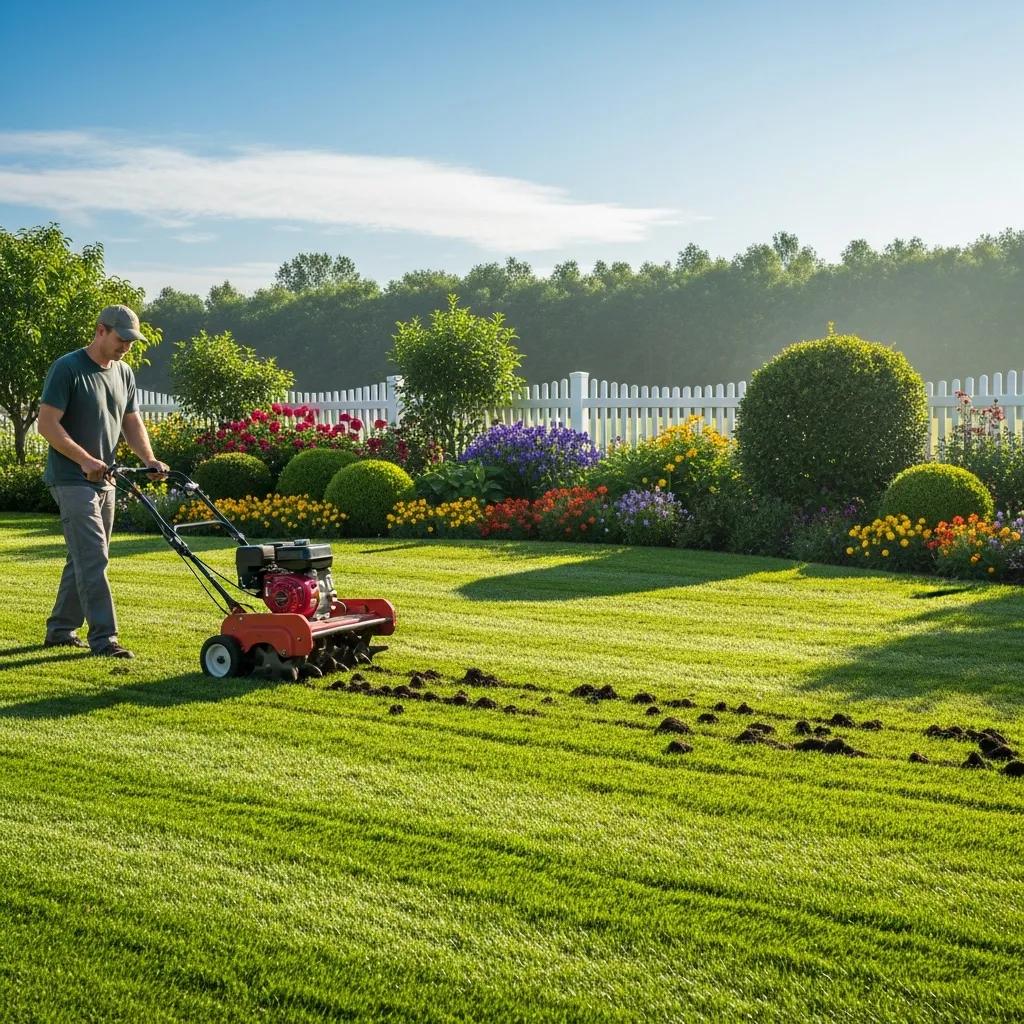
To successfully aerate your lawn, having the right tools is essential. The primary tool for aeration is a lawn aerator, which comes in two main types: core aerators and spike aerators.
- Core Aerator: This tool removes small plugs of soil from the lawn, allowing for better air and nutrient penetration. It is generally considered the most effective method for aeration.
- Spike Aerator: This tool simply punctures the soil with spikes, creating holes but not removing any soil. While it can be useful for minor aeration, it is less effective than core aeration.
Using the right tools ensures that your lawn receives the best care possible, leading to improved growth and health. For professional lawn care services, consider Weaver’s Landscape Company for expert assistance.
Optimal Timing
Timing is crucial when it comes to aerating your lawn. The best time to aerate is during the growing season, which varies depending on your grass type. For cool-season grasses, early spring or fall is ideal, while warm-season grasses benefit from aeration in late spring or early summer.
Aerating during these optimal times allows the grass to recover quickly and take full advantage of the benefits of aeration. Additionally, consider the weather conditions; aerating when the soil is moist but not overly wet can enhance the effectiveness of the process.
Effective Methods
There are several methods for aerating your lawn, each with its own advantages. The two primary methods are core aeration and spike aeration.
- Core Aeration: This method involves using a core aerator to remove plugs of soil, which helps alleviate soil compaction and allows for better nutrient absorption.
- Spike Aeration: This method uses a spike aerator to create holes in the soil without removing any material. While it is easier to use, it may not provide the same level of soil compaction relief as core aeration.
Choosing the right method depends on your lawn’s specific needs and the level of compaction present.
Key Benefits of Lawn Aeration
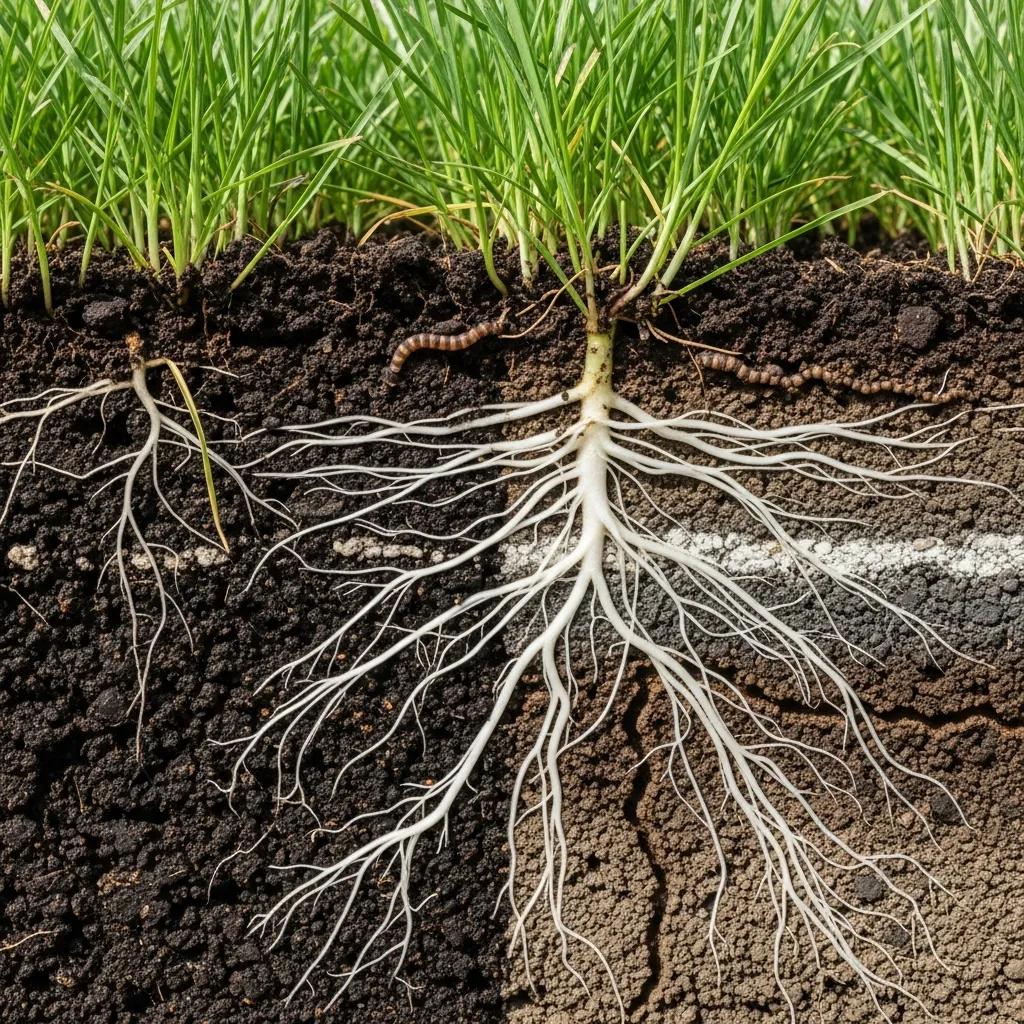
Aerating your lawn offers numerous benefits that contribute to its overall health and appearance. Some of the key benefits include:
- Improved Nutrient Uptake: Aeration allows nutrients, water, and air to reach the roots more effectively, promoting healthier grass growth.
- Enhanced Soil Conditions: By alleviating compaction, aeration improves soil structure, leading to better drainage and root development.
- Increased Resilience of Grass: Aerated lawns are more resilient to stress from drought, heat, and heavy foot traffic.
These benefits make lawn aeration a vital practice for maintaining a lush and vibrant lawn.
Impact on Soil and Grass Health
The impact of aeration on soil and grass health is significant. Aeration improves soil structure by breaking up compacted layers, which enhances water infiltration and root growth. This process also increases the availability of nutrients, allowing grass to thrive.
Moreover, aeration can help reduce thatch buildup, a layer of dead grass and roots that can suffocate the lawn. By promoting a healthier soil environment, aeration contributes to the long-term vitality of your lawn.
Which Lawn Aeration Methods Should You Use?
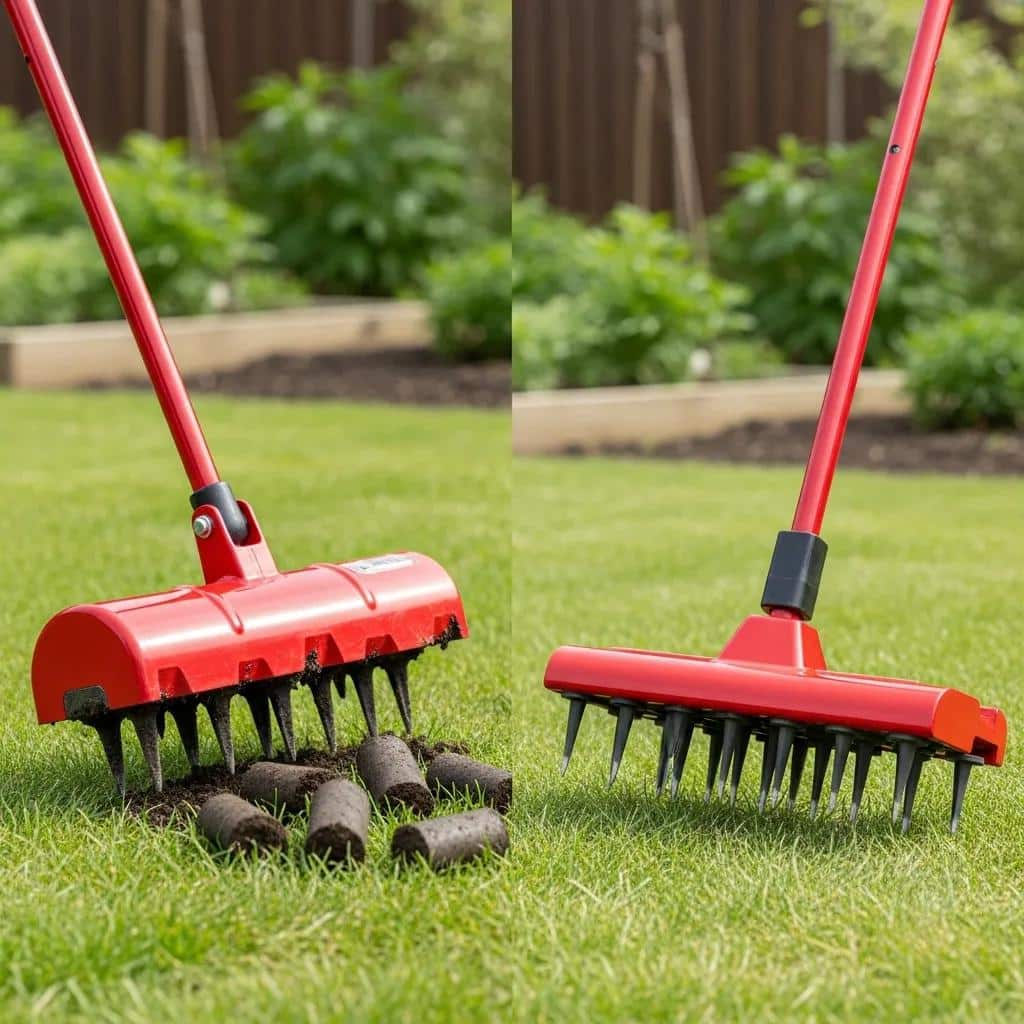
When deciding on an aeration method, consider the specific needs of your lawn. Core aeration is generally recommended for most lawns, especially those experiencing significant compaction. However, spike aeration can be a suitable option for lighter maintenance.
- Core Aeration: Best for heavily compacted soils and lawns that require significant improvement.
- Spike Aeration: Suitable for lawns that need minor aeration or for those who prefer a less intensive approach.
Understanding the differences between these methods will help you choose the best approach for your lawn’s health.
When Is the Best Time to Aerate Your Lawn?
The timing of lawn aeration is critical for achieving optimal results. For cool-season grasses, the best times to aerate are early spring and fall, while warm-season grasses benefit from aeration in late spring or early summer.
Aerating during these periods allows the grass to recover quickly and take advantage of the improved soil conditions. Additionally, consider aerating after a rainfall or when the soil is moist to facilitate easier penetration. For more information on lawn care and maintenance, Weaver’s Landscape Company offers comprehensive services.
How Often Should You Aerate for Optimal Lawn Health?
The frequency of aeration depends on several factors, including soil type, grass variety, and lawn usage. Generally, it is recommended to aerate your lawn once a year for most residential lawns. However, lawns that experience heavy foot traffic or have compacted soil may benefit from more frequent aeration, such as twice a year.
Monitoring your lawn’s health and soil conditions will help you determine the appropriate aeration schedule for optimal results.
What Seasonal Factors Affect Lawn Aeration Timing?
Several seasonal factors can influence the timing of lawn aeration. Temperature, moisture levels, and grass growth cycles all play a role in determining the best time to aerate.
- Temperature: Aerating during moderate temperatures promotes quicker recovery for the grass.
- Moisture Levels: Aerating when the soil is moist but not saturated enhances the effectiveness of the process.
- Grass Growth Cycles: Understanding the growth cycles of your grass type will help you time aeration for maximum benefit.
By considering these factors, you can optimize your lawn aeration efforts for better results.
What Lawn Aeration Tools Are Recommended for Effective Aeration?
When selecting tools for lawn aeration, consider the following options:
- Core Aerators: These are highly effective for removing soil plugs and improving soil health.
- Spike Aerators: While easier to use, they may not provide the same level of compaction relief as core aerators.
- Rental Options: Many garden centers offer rental services for aeration equipment, making it accessible for homeowners.
Choosing the right tools will ensure that your aeration efforts are successful and beneficial for your lawn.
How to Select and Use Core and Spike Aerators?
Selecting the right aerator involves understanding the specific needs of your lawn. Core aerators are ideal for compacted soils, while spike aerators can be used for lighter maintenance.
When using a core aerator, follow these steps:
- Prepare the Lawn: Mow the grass to a shorter height and water the lawn a day before aeration.
- Aerate: Move the aerator in straight lines across the lawn, ensuring even coverage.
- Leave the Plugs: Allow the soil plugs to decompose on the surface, enriching the soil.
For spike aerators, the process is similar, but ensure that the spikes penetrate deeply enough to create effective holes.
What Are the Costs and Options for Lawn Aeration Equipment?
The costs of lawn aeration equipment can vary based on the type and brand. Core aerators typically range from $100 to $300 for purchase, while rental options may cost around $30 to $50 per day.
When considering your options, think about:
- Purchase vs. Rental: If you plan to aerate regularly, purchasing may be more cost-effective.
- Quality: Invest in a high-quality aerator to ensure effective results.
- Budget-Friendly Options: Look for local rental services to save on costs if aeration is needed infrequently.
Understanding the costs and options available will help you make an informed decision for your lawn care needs.
Lawn aeration services in Madison, OH and nearby areas
If your lawn feels hard, drains poorly, or stays thin no matter how much you water it, professional aeration can make a real difference. Weaver’s Lawn Care & Design helps homeowners and commercial properties with lawn care and landscape maintenance in Madison, Ohio and across nearby Lake County areas. That includes places like Perry, Geneva, Mentor, Painesville, and Concord. Aeration works even better when it is paired with the right mowing, overseeding, and seasonal cleanup plan. For lawns that need more than a quick fix, having a local team handle timing, soil conditions, and follow-up care can lead to thicker growth and a lawn that recovers better through the season.
Get Lawn aeration services in Madison, OH and nearby areas
Improve soil airflow, reduce compaction, and help your lawn grow thicker with service that fits your yard, grass type, and seasonal needs.
Get a Quote