
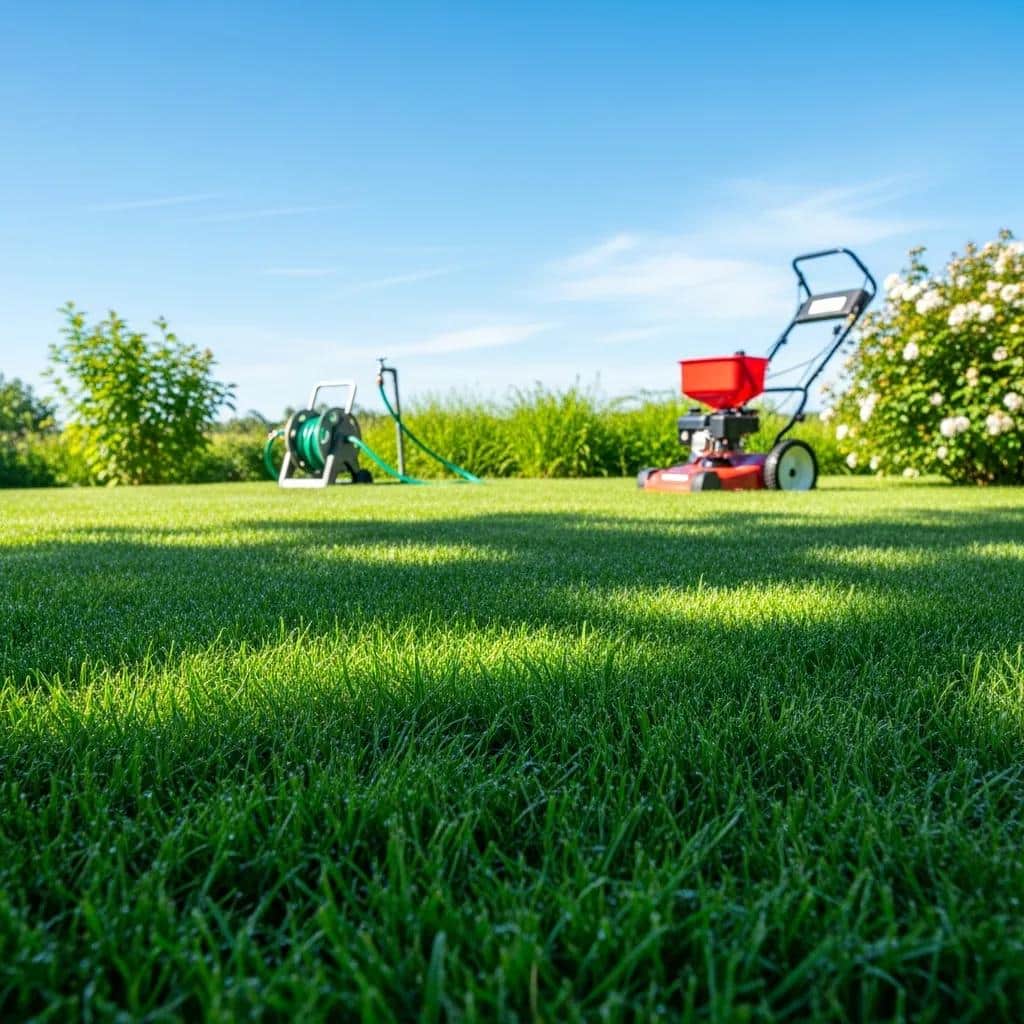
Best Time to Fertilize Your Lawn for Rich Growth
Best Time to Fertilize Your Lawn for Rich Growth: Lawn Fertilizing Schedule and Application Tips
Fertilizing your lawn at the right time is crucial for achieving lush, healthy grass. Understanding the best times to apply fertilizer can significantly enhance your lawn’s growth and resilience. This article will guide you through the optimal fertilization schedule, the types of fertilizers available, and how to adjust your approach for different seasons. Many homeowners struggle with maintaining a vibrant lawn, often due to improper fertilization timing. By following the insights provided here, you can ensure your lawn receives the nutrients it needs when it needs them most. We will explore the best times for fertilization, the types of fertilizers that promote rich growth, and the importance of soil testing in this process.
When Is the Best Time to Apply Lawn Fertilizer?
The best time to apply lawn fertilizer is during early fall when temperatures are cooler, allowing for better nutrient absorption. Fertilizing at this time helps the grass recover from summer stress and prepares it for winter. Additionally, applying fertilizer in early spring can also be beneficial, as it kickstarts growth after dormancy. The frequency of application should be based on the specific needs of your lawn and the type of fertilizer used.
What Are the Ideal Seasonal Windows for Lawn Fertilizing?

The ideal seasonal windows for lawn fertilizing are primarily in spring and fall. Spring fertilization helps to rejuvenate the grass after winter dormancy, while fall fertilization supports root development and prepares the lawn for the colder months. Timing is critical, as applying fertilizer too early in spring can lead to nutrient runoff, while late fall applications may not allow enough time for the grass to absorb the nutrients before winter.
How Does Fertilizing Timing Affect Lawn Health and Growth?
Proper timing of fertilization enhances lawn health by ensuring that nutrients are available when the grass is actively growing. Fertilizing at the right times reduces stress on the lawn, allowing it to thrive. For instance, applying fertilizer during peak growth periods maximizes nutrient uptake, leading to a greener and more resilient lawn.
What Are the Best Fertilizer Types for Promoting Rich Lawn Growth?
Choosing the right type of fertilizer is essential for promoting rich lawn growth. There are various options available, including organic and synthetic fertilizers, each with its own benefits. Understanding these differences can help you select the best product for your lawn’s needs.
How Do Organic and Synthetic Fertilizers Compare?
Organic fertilizers, derived from natural sources, improve soil health and provide a slow release of nutrients. In contrast, synthetic fertilizers offer immediate nutrient availability, which can lead to rapid growth. While both types can be effective, organic fertilizers contribute to long-term soil health, making them a preferred choice for environmentally conscious homeowners.
Research further supports the environmental advantages of organic fertilizers, particularly concerning nutrient runoff.
Organic vs. Inorganic Fertilizers: Environmental Benefits
In this study, 24 turfgrass-type tall fescue (Festuca arundinacea) plots were established on subsoil or topsoil, and managed with inorganic fertilizer (Scott’s Turf Builder®), organic fertilizer (Nature’s Touch® with enzymes), or no fertilizer (control). Although the N, P, K, and S losses in runoff were low, they were significantly higher from the subsoil-based than topsoil-based lawns, and were higher from inorganic fertilizer treated lawns than those treated with organic fertilizer. These results highlight the significance of topsoil preservation in city planning and urban development with respect to urban run-off and water quality and show distinct benefits of organic lawn management practices over the conventional inorganic practices for maintaining urban water quality.
Water, sediment, and nutrient runoff from urban lawns established on disturbed subsoil or topsoil and managed with inorganic or organic fertilizers, Z Cheng, 2014
What Are the Benefits of Slow-Release Fertilizers?
Slow-release fertilizers provide a steady supply of nutrients over an extended period, reducing the risk of nutrient runoff and minimizing the need for frequent applications. This type of fertilizer is particularly beneficial for maintaining consistent growth and health in your lawn, as it allows for better nutrient absorption and reduces the likelihood of over-fertilization.
How Should You Adjust Your Lawn Fertilizing Schedule for Spring and Fall?
Adjusting your lawn fertilizing schedule for spring and fall is crucial for optimal growth. Each season presents unique challenges and opportunities for your lawn’s health.
What Are Key Spring Lawn Fertilizing Tips?
In spring, it is essential to apply fertilizer when the grass begins to green up, typically around mid to late March in many regions. Use a balanced fertilizer that provides essential nutrients like nitrogen, phosphorus, and potassium. Additionally, consider the specific grass type in your lawn, as different varieties may have varying nutrient needs.
When Is the Optimal Fall Fertilizer Application Timing?
The optimal timing for fall fertilizer application is typically between late September and early October, depending on regional climate variations. This period allows the grass to absorb nutrients before winter, promoting root growth and overall lawn health. Factors such as local climate and grass type should also be considered when determining the exact timing for application.
How Can Soil Testing Improve Your Lawn Fertilizing Results?

Soil testing is a valuable tool for improving your lawn fertilizing results. By understanding the nutrient composition of your soil, you can make informed decisions about the type and amount of fertilizer needed.
Why Is Soil Nutrient Testing Important Before Fertilizing?
Soil nutrient testing is important because it identifies deficiencies and excesses in your soil, allowing for tailored fertilization strategies. This ensures that you apply the right nutrients in the correct amounts, promoting optimal lawn health and growth.
How Does Soil Health Influence Fertilizer Choice and Timing?
Soil health significantly influences fertilizer choice and timing. Healthy soil supports better nutrient uptake and grass growth, while poor soil conditions may require different fertilization strategies. By maintaining soil health through regular testing and appropriate amendments, you can enhance the effectiveness of your fertilization efforts.
Different fertilizer types offer distinct benefits that can enhance your lawn’s growth and health.
This comparison highlights how selecting the right fertilizer type can lead to a healthier, more vibrant lawn. Understanding these options allows homeowners to make informed decisions that align with their lawn care goals. For more information on lawn care and maintenance, visit Weaver’s Landscape Company.
How Weaver’s Lawn Care & Design Helps Homeowners Stay on Schedule
A rich lawn does not come from one bag of fertilizer tossed down at random. It comes from good timing, the right product, and steady follow-through through the growing season. Weaver’s Lawn Care & Design works with residential and commercial properties across Madison and nearby Lake County communities, helping clients keep lawns healthy with practical, season-based care. Whether a property needs routine mowing, seasonal cleanup, overseeding, or a better lawn maintenance plan overall, the goal stays simple: give the grass what it needs at the right time. For homeowners who want a cleaner, thicker lawn without guesswork, local support can make the schedule much easier to manage.
Get Lawn Care and Design Services
Get help with proper lawn feeding, seasonal care, and yard planning so your grass stays greener, thicker, and easier to manage throughout the year.
Get a QuoteFAQs
What is the best month to fertilize a lawn?
It depends on your grass type. For many cool-season lawns, September is often the strongest feeding month because roots stay active while summer stress starts to fade. Warm-season lawns usually need fertilizer later in spring, after full green-up, not before.
Should I fertilize before or after rain?
Light rain after fertilizing can help move nutrients into the soil, but heavy rain can wash fertilizer away. The better approach is to apply on a dry lawn when no major storm is expected, then water lightly if the product label calls for it.
Can I fertilize my lawn in summer?
You can, but only with care. Cool-season lawns usually should not get heavy summer feeding because heat stress makes damage more likely. Warm-season lawns can be fertilized in summer while actively growing, but rates still need to stay reasonable.
Is slow-release fertilizer better for lawns?
For many home lawns, yes. Slow-release fertilizer feeds grass more steadily, lowers the chance of burn, and often reduces the need for frequent applications. It is especially useful when you want consistent growth instead of a quick flush that fades fast.
Do I need a soil test before every fertilizer application?
Not before every single application, but regular soil testing is a smart habit. It helps you avoid guessing, shows whether phosphorus or potassium is actually needed, and can keep you from wasting money on products your lawn does not need.