Essential Lawn Care Maintenance Tips for a Lush Lawn
Essential Lawn Care Maintenance Tips for a Lush Lawn: Expert Fertilization, Watering, and Weed Control Guidance
Maintaining a lush lawn requires a combination of knowledge, skill, and consistent effort. This article provides essential lawn care maintenance tips that cover various aspects, including fertilization, watering techniques, and effective weed control. Readers will learn how to implement these strategies to achieve a vibrant and healthy lawn. Many homeowners struggle with achieving the perfect lawn due to a lack of understanding of proper maintenance practices. By following expert guidance, you can transform your lawn into a thriving green space.
Regular Lawn Mowing
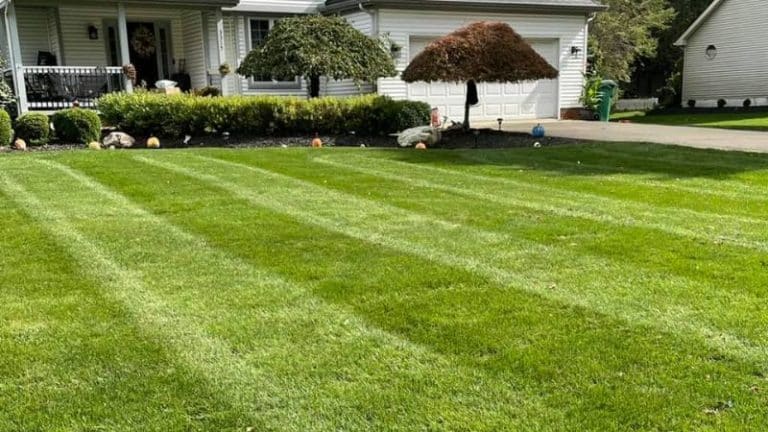
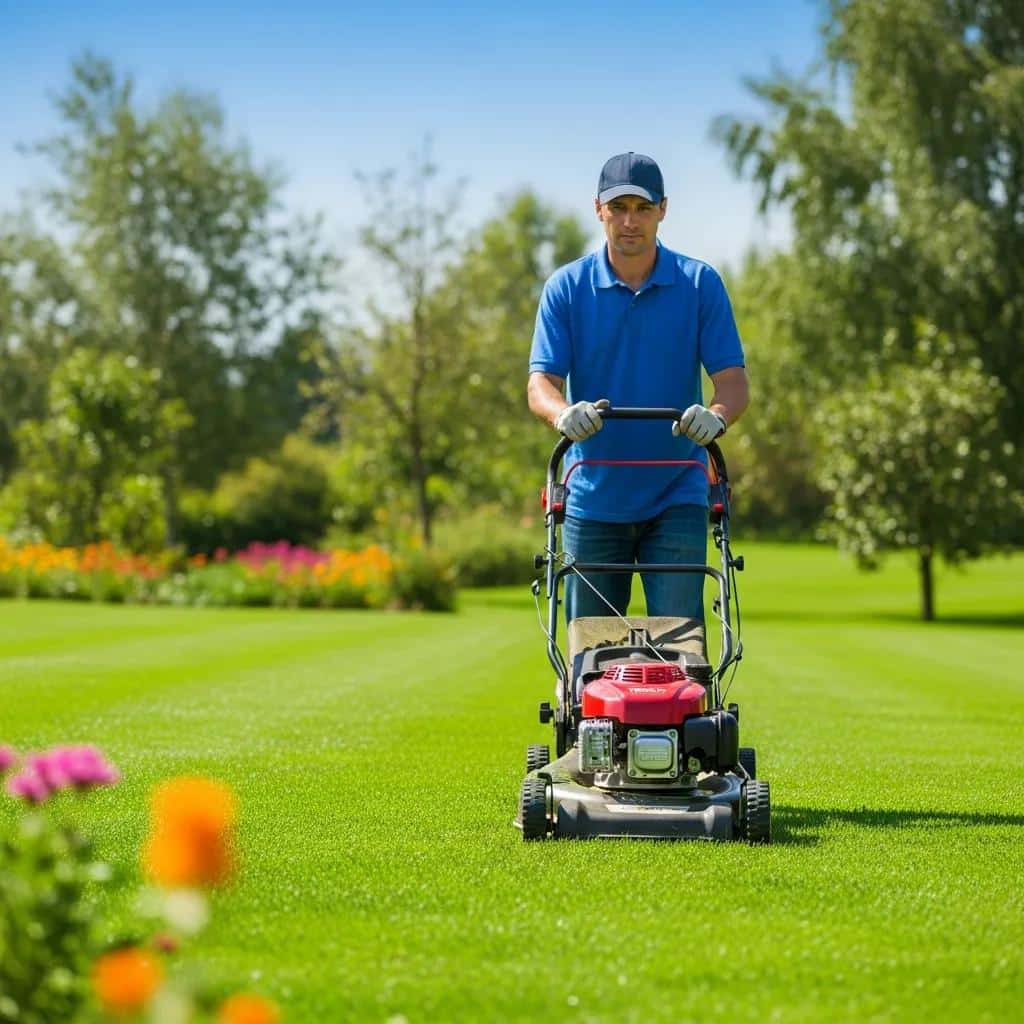
Regular lawn mowing is crucial for maintaining a healthy lawn. Mowing not only keeps the grass at an optimal height but also encourages denser growth and prevents weeds from taking root. Ideally, lawns should be mowed weekly or bi-weekly, depending on the growth rate. This practice helps to maintain an even appearance and promotes a lush, green lawn. Additionally, mowing at the right height can reduce stress on the grass, allowing it to thrive.
Lawn Aeration
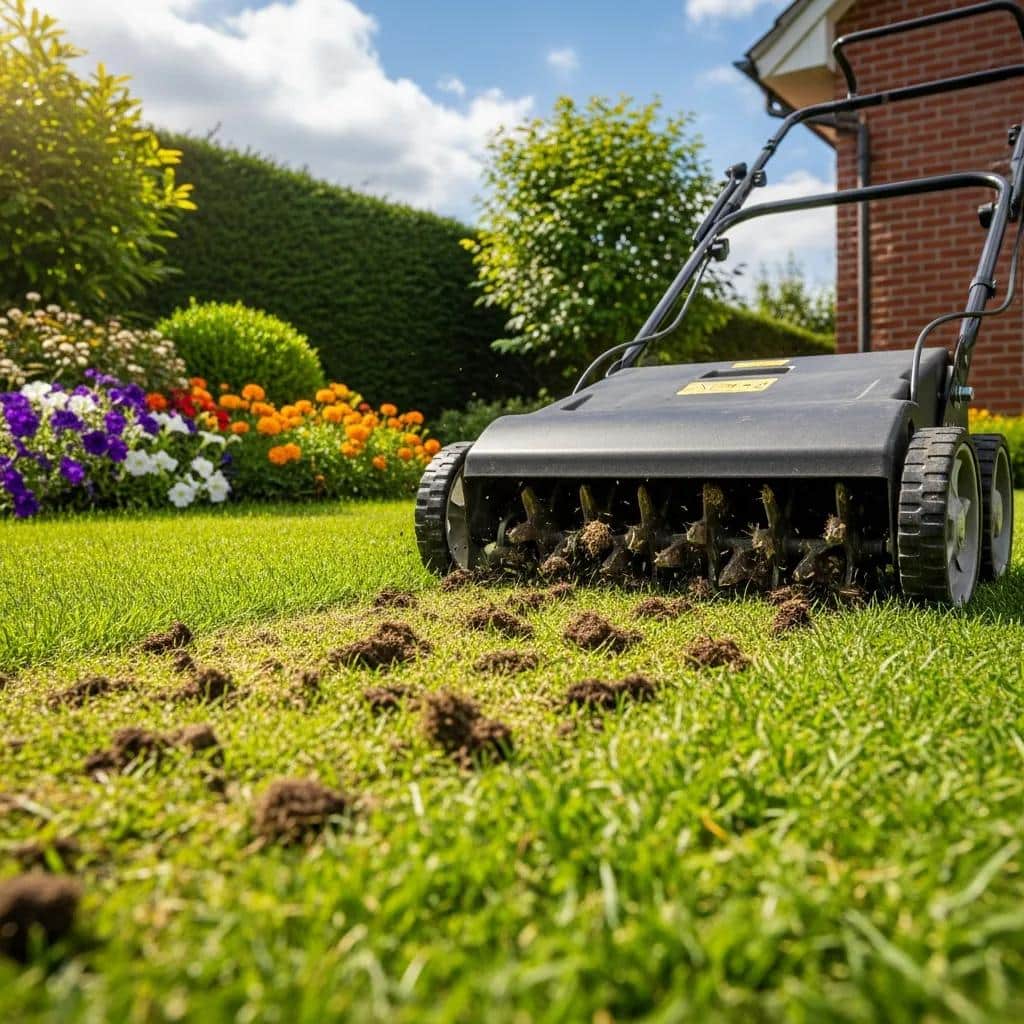
Lawn aeration is a vital process that involves perforating the soil with holes to allow air, water, and nutrients to penetrate the grass roots. Aerating your lawn 1-2 times annually can significantly improve air and water circulation, reducing soil compaction. This process encourages deeper root growth, leading to a healthier and more resilient lawn. Aeration is particularly beneficial for lawns that experience heavy foot traffic or have clay-heavy soil.
Fertilization
Fertilization is essential for providing the nutrients that grass needs to grow strong and healthy. Implementing a seasonal fertilization schedule can enhance the overall health of your lawn. It is advisable to consider soil testing to determine the specific nutrient needs of your grass. Fertilizers provide essential nutrients such as nitrogen, phosphorus, and potassium, which are crucial for promoting growth and maintaining a vibrant lawn.
What is the Best Lawn Fertilization Schedule for Healthy Grass?
A well-planned fertilization schedule is key to achieving a lush lawn. Generally, it is recommended to fertilize your lawn in the spring and fall. This timing aligns with the grass’s growth cycles, ensuring that it receives the nutrients it needs when it is most active.
How Often Should You Fertilize Your Lawn for Optimal Growth?
For optimal growth, fertilizing your lawn every 4-6 weeks during the growing season is ideal. This frequency allows the grass to absorb nutrients effectively, promoting healthy growth and resilience against pests and diseases.
Which Fertilizer Types Support Different Grass Varieties?
Different grass varieties may require specific types of fertilizers. For instance, cool-season grasses benefit from high-nitrogen fertilizers in the spring, while warm-season grasses thrive with balanced fertilizers in the summer. Understanding the needs of your grass type can help you choose the right fertilizer for optimal results.
Watering Techniques
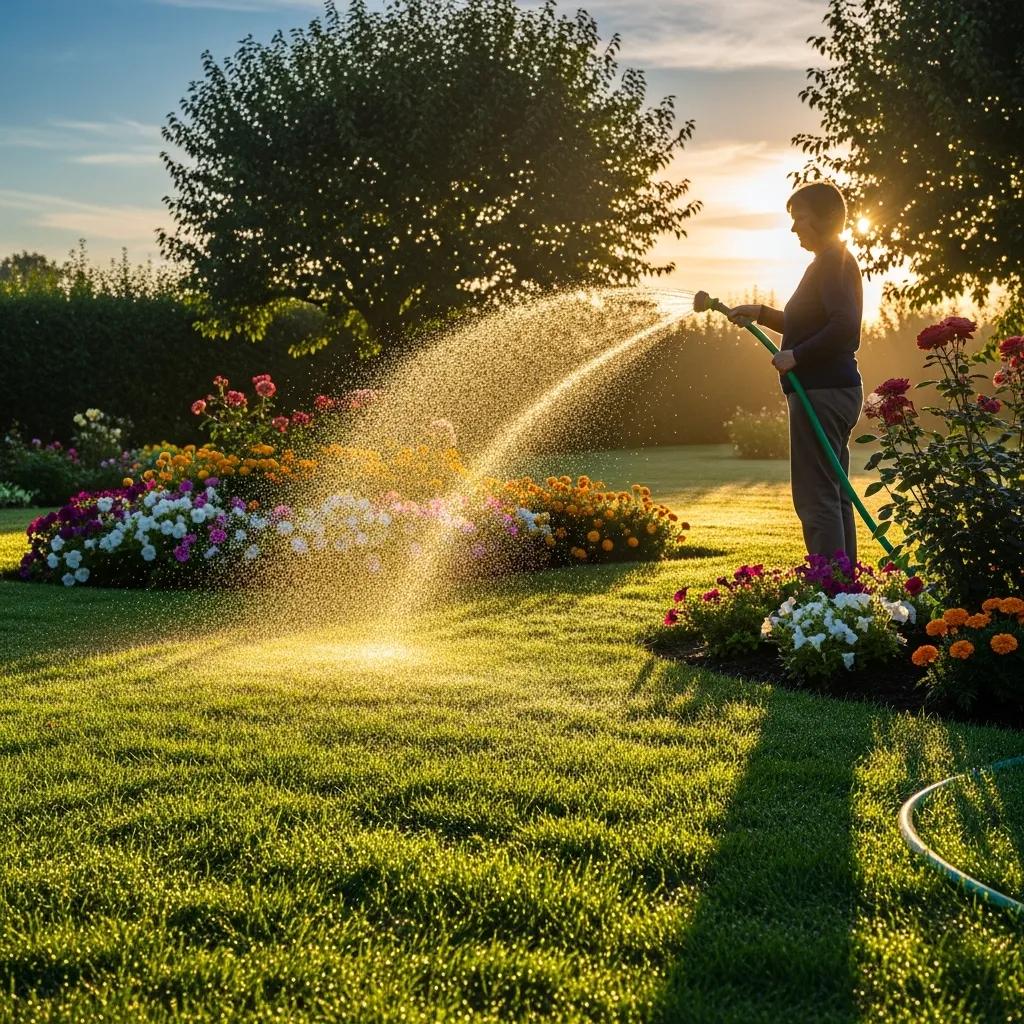
Effective watering techniques are crucial for maintaining a healthy lawn. Proper watering ensures that grass receives adequate moisture without over-saturating the soil.
What Are Effective Lawn Watering Tips to Promote Healthy Growth?
To promote healthy growth, it is recommended to water deeply but infrequently. Aim for about 1 inch of water per week, which can be achieved through rainfall or irrigation. This practice encourages deep root growth, making the grass more drought-resistant.
How Often and How Much Should You Water Your Lawn?
Watering your lawn 1-2 times a week is generally sufficient, depending on weather conditions. It’s important to adjust your watering schedule based on rainfall and temperature to avoid overwatering or underwatering.
What Are the Best Times of Day to Water Your Lawn?
The best times to water your lawn are early in the morning or late in the afternoon. Watering during these times minimizes evaporation and allows the grass to absorb moisture effectively.
Weed Control
Weed control is essential for maintaining a healthy lawn. Weeds compete with grass for nutrients, water, and sunlight, which can hinder the growth of your lawn.
How Can You Control Weeds and Pests for a Weed-Free Lawn?
Regular inspection of your lawn for weeds is crucial. Hand-pulling weeds can be effective for small infestations, while targeted herbicides may be necessary for larger problems. Maintaining a thick lawn through proper mowing and fertilization can also help reduce weed growth.
What Are Natural and Chemical Weed Control Methods?
Natural weed control methods include using mulch and maintaining healthy soil, while chemical methods involve applying herbicides. Each method has its pros and cons, and the choice depends on the specific needs of your lawn.
When and How Should You Apply Pest Control Treatments?
Pest control treatments should be applied when pests are first noticed. Timing is critical, as early intervention can prevent infestations from spreading. Always follow the manufacturer’s instructions for application rates and safety precautions.
Understanding the broader impact of various lawn management strategies on overall lawn quality, weed control, and pest management is crucial for homeowners.
Comparative Lawn Management Programs: Quality, Weeds & Pests
We evaluated aesthetic (lawn quality), biological (weeds and insect pests), and economic (management costs) effectiveness of acommercial(managed by a professional company),consumer(managed using consumer lawn care products following labeled instructions),integrated pest management(IPM) (pesticide applications based on monitoring and thresholds),organic(monitoring and need-based organic and natural product applications), and anuntreatedlawn care program. Percent weed cover was the lowest in the commercial followed by IPM, organic, and consumer programs. The commercial program had lower white grub density than all other programs, and the organic program had lower white grub density than the untreated program. The commercial program had the highest lawn quality while the untreated program had the lowest. The IPM and organic programs did not differ significantly in lawn quality, but both rated significantly higher than the consumer program. Although the consumer program was the cheapest, it produced the lowest weed control and lawn quality among treated lawns.
Comparative evaluation of aesthetic, biological, and economic effectiveness of different lawn management programs, DS Richmond, 2009
Seasonal Cleanups
Seasonal cleanups are important for maintaining the health and appearance of your lawn. Regularly removing debris, leaves, and dead grass can prevent smothering and promote healthy growth.
Trimming and Edging
Trimming and edging are essential for keeping your lawn looking neat and well-maintained. Regularly trimming the edges of your lawn prevents grass from encroaching into flower beds and enhances the overall aesthetic appeal of your landscape.
Overseeding
Overseeding is a beneficial practice that involves spreading grass seed over an existing lawn to improve density and fill in bare spots. This technique is particularly effective after aeration, as it allows seeds to make good contact with the soil.
Which Grass Types Are Best for a Lush, Resilient Lawn?
Choosing the right grass type is crucial for achieving a lush lawn. Different grass varieties have unique characteristics that make them suitable for specific climates and conditions.
What Are the Characteristics of Popular Lawn Grass Varieties?
Popular grass types include Kentucky bluegrass, fescue, and Bermuda grass. Each type has distinct growth patterns, drought resistance, and maintenance needs, making it important to select the right variety for your specific environment.
How to Choose Drought-Resistant and Low-Maintenance Grasses?
When selecting grasses, consider drought-resistant varieties that require less water and maintenance. Look for species that are well-suited to your local climate and soil conditions to ensure a thriving lawn.
Local Lawn Help That Fits Northeast Ohio Properties
Lawn care in Ohio is not only about keeping grass cut. It is about staying ahead of compaction, seasonal leaf buildup, patchy growth, summer stress, and the thin spots that show up after winter. That is where a local company can save time and prevent small lawn issues from turning into expensive repair work later. Weaver’s Lawn Care & Design serves homeowners and businesses across Madison and Lake County with practical property maintenance that fits local conditions. For properties in Madison, Mentor, Geneva, Painesville, Concord, Chardon, Kirtland, Eastlake, Wickliffe, Perry, and nearby areas, working with a local crew often means more consistent timing and better seasonal care.
Get Local Lawn Help That Fits Northeast Ohio Properties
Get practical lawn help built for Northeast Ohio yards, from mowing and feeding plans to aeration and weed control that fit local grass and soil conditions.
Get a QuoteConclusion
By implementing these essential lawn care maintenance tips, you can achieve a lush and healthy lawn. Regular mowing, aeration, proper fertilization, effective watering techniques, and weed control are all critical components of successful lawn maintenance. For professional assistance, consider reaching out to Weavers Lawn Care Services, which offers expert solutions tailored to your lawn care needs.
FAQs
How often should I mow my lawn to keep it healthy?
Most lawns need mowing about once a week during active growth, though that can change with weather and season. The real rule is not to remove more than one-third of the grass blade at one time, because cutting too much at once puts extra stress on the lawn.
What is the best time to fertilize a lawn in Ohio?
For many Ohio lawns with cool-season grass, spring and fall are the most useful feeding windows, with fall often being the most important. That timing supports root growth, recovery, and better density instead of pushing weak growth during the hottest part of summer.
How much water does a lawn really need each week?
Many lawns need around a quarter-inch to one inch of water per week, though hot weather, sandy soil, and certain grass types can raise that amount. Some bluegrass lawns may need over two inches during dry summer stress, so local conditions matter more than one fixed number.
Is lawn aeration really worth paying for?
Yes, especially if your soil is compacted, your lawn gets heavy traffic, or water tends to sit on the surface. Core aeration improves airflow and helps water and nutrients reach roots more effectively, which makes it one of the more useful corrective lawn services for many properties.
What is the fastest way to improve a thin lawn?
The fastest smart fix is usually a combination of proper mowing, targeted fertilization, aeration if the soil is compacted, and overseeding in the right season. Killing weeds alone will not thicken turf if the lawn still has weak roots, poor soil contact, or bare space.