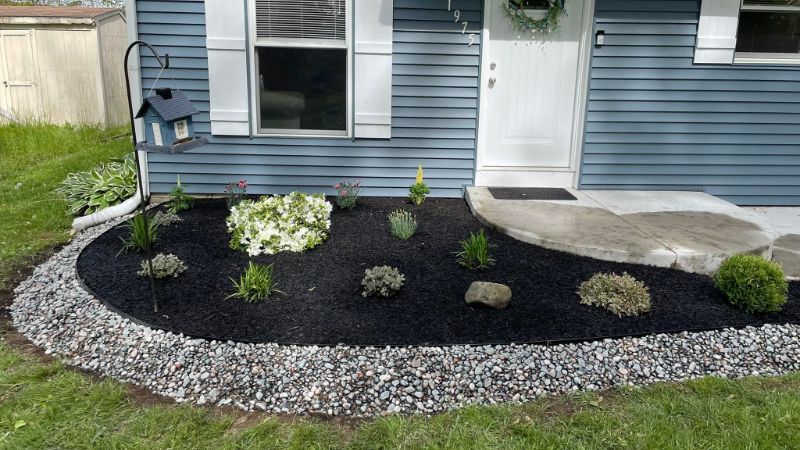
Why You Should Add Fresh Mulch to Your Landscape & Garden Beds (2026 Guide)
Mulch is simply a protective layer placed on top of soil, but its impact goes far beyond appearance. It works the same way nature does fallen leaves and organic debris naturally cover the ground, helping soil stay stable and fertile. When you add mulch intentionally, you’re recreating that natural system in a controlled, cleaner way. A well-mulched bed holds moisture longer, reduces temperature swings, and protects plant roots from stress. At the same time, it gives your yard a finished, maintained look.
Key Benefits of Adding Fresh Mulch
Mulch isn’t just about making a yard look neat. It directly affects how your plants grow, how often you water, and how much time you spend on maintenance. When applied correctly, it becomes one of the most cost-effective improvements you can make.
Here’s what properly installed mulch actually does:
- Reduces water loss, helping soil stay moist longer
- Blocks sunlight to limit weed growth naturally
- Stabilizes soil temperature in both hot and cold seasons
- Prevents erosion during rain and wind
- Improves soil structure as organic mulch breaks down
- Creates a clean, uniform look across your landscape
Many homeowners notice fewer weeds and healthier plants within just a few weeks of refreshing their mulch beds.
Types of Mulch: Which One Should You Choose?
Not all mulch works the same way. The right choice depends on your soil, climate, and how much maintenance you want to deal with. In most residential landscapes, mulch falls into two main categories: organic and inorganic.
Organic Mulch (Best for Soil Health)
Organic mulch breaks down over time, adding nutrients back into the soil. It’s ideal if your goal is long-term plant health.
Common options include:
- Shredded bark mulch: Easy to spread, great for moisture retention, lasts 1–3 years
- Pine bark nuggets: Larger pieces, longer lifespan, but can shift during heavy rain
- Wood chips: Budget-friendly, good for trees and shrubs, avoid for seed beds
- Compost: Nutrient-rich but needs frequent reapplication
- Grass clippings & leaves: Useful when applied correctly, but decompose quickly
Organic mulch is the most popular choice across areas like Lake County Ohio because it improves soil while keeping maintenance manageable.
Inorganic Mulch (Best for Low Maintenance)
Inorganic mulch doesn’t break down, which means less frequent replacement but it won’t improve soil quality.
Common options include:
- Landscape fabric: Helps block weeds when used under other materials
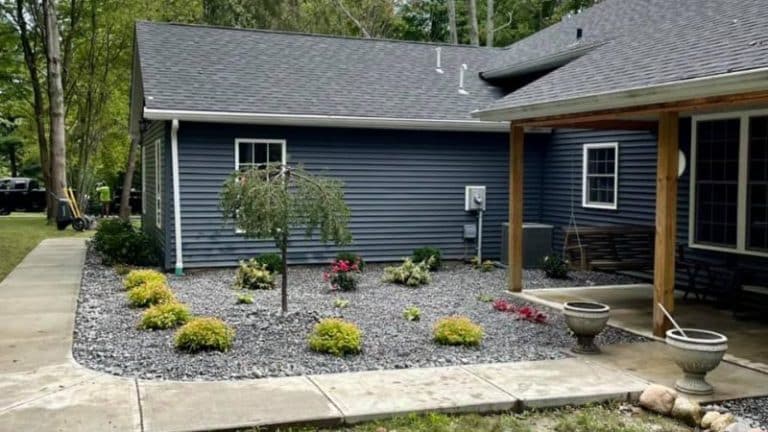
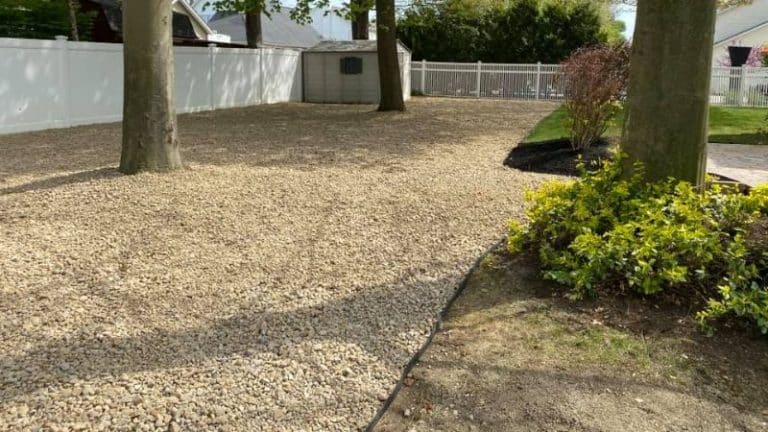
- Gravel and stone: Long-lasting and stable in harsh weather
- Rubber mulch: Durable and effective for weed control
These options are often used in decorative spaces or areas where plant growth isn’t the priority.
How Much Mulch Do You Actually Need?
This is where many people go wrong. Too little mulch won’t provide proper coverage, while too much can damage plants by trapping excess moisture.
For most landscapes, the ideal depth is:
- 2–3 inches for regular garden beds
- 3–4 inches for weed-prone areas
A simple rule: you should barely see the soil underneath, but plants should not look buried.
Average Mulch Cost in 2026
| Type of Mulch | Cost per Cubic Yard | Best For | Lifespan |
| Shredded Bark | $40–$70 | Flower beds, shrubs | 1–3 years |
| Wood Chips | $30–$60 | Trees, large areas | 1–2 years |
| Pine Bark Nuggets | $50–$90 | Decorative beds | 2–4 years |
| Compost | $35–$80 | Vegetable gardens | 3–6 months |
| Gravel/Rock | $70–$150+ | Low-maintenance areas | Long-term |
Labor for installation can add $50–$100+ per hour depending on project size.
How to Mulch the Right Way (Step-by-Step)
Good mulch results come down to preparation. Skipping this step is why some mulch beds look messy after just a few weeks. Start by clearing out everything that doesn’t belong. Old leaves, weeds, and debris should be removed completely before adding any new material. This ensures your mulch sits directly on soil, not on a layer of waste that can cause problems later.
Then follow these basic steps:
- Remove weeds from the root, not just the surface
- Trim nearby plants to reduce debris falling into beds
- Define clean edges to keep mulch contained
- Spread mulch evenly (don’t dump in piles)
- Keep mulch away from tree trunks and stems
One of the most common mistakes is “mulch volcanoes” piling mulch against tree bases. This traps moisture and can lead to rot over time.
Common Mulching Mistakes to Avoid
Even though mulching seems simple, small mistakes can reduce its effectiveness or even harm your landscape. These issues often show up months later, making them easy to overlook at first.
Here are the most common problems:
- Applying mulch over weeds without removing them
- Using too much mulch, which suffocates roots
- Ignoring edging, causing mulch to spread into grass
- Using contaminated or low-quality wood chips
- Skipping seasonal refresh, leading to faded appearance
Fixing these early saves both time and money in the long run.
When Is the Best Time to Add Fresh Mulch?
Timing plays a bigger role than most people expect. Adding mulch at the wrong time can limit its benefits or even stress your plants.
In general:
- Spring: Best for weed control and moisture retention
- Fall: Helps insulate soil and protect roots in winter
In regions like Madison Ohio and nearby communities such as Mentor Ohio or Painesville Ohio, spring mulching is the most common choice due to seasonal temperature swings.
What Professionals Do Differently
A professionally mulched landscape stands out immediately. It’s not just about better materials—it’s about technique, timing, and consistency.
Professionals focus on:
- Even coverage with precise depth
- Clean, sharp bed edges
- High-quality, contaminant-free mulch
- Proper spacing around plants and trees
- Seasonal refresh schedules
That’s why professionally maintained beds tend to last longer and require less correction over time.
Keep Your Landscape Looking Its Best Year-Round
Fresh mulch does more than improve plant health it keeps your entire property looking clean, balanced, and well cared for. Over time, mulch naturally breaks down, fades, or shifts, which is why regular maintenance matters just as much as the initial installation. If you want consistent results without the guesswork, working with a reliable local team makes a noticeable difference. Weaver’s Lawn Care & Design provides full mulch installation and landscape maintenance services across Lake County, including Madison, Perry, Geneva, Concord, and surrounding areas.
Get Landscape & Garden Beds Services
Keep your landscape beds clean, healthy, and easier to maintain with the right mulch depth, fresh edging, and simple seasonal care.
Get a QuoteFAQs
How often should mulch be replaced?
Most organic mulch should be refreshed every 1–2 years. It naturally breaks down over time, which improves soil but reduces its appearance and effectiveness. Regular topping keeps beds looking fresh and functioning properly.
Is mulch better than rock for landscaping?
It depends on your goal. Mulch improves soil and plant health, while rock is better for low-maintenance areas. For most gardens and planting beds, mulch is usually the better long-term option.
Can mulch attract pests?
Mulch itself doesn’t attract pests, but improper use can. Keeping it away from your home’s foundation and avoiding excessive thickness reduces the risk of insects or rodents settling in.
Should I remove old mulch before adding new?
Not always. If the existing layer is thin and clean, you can add a fresh layer on top. However, if it’s compacted or moldy, it’s better to remove and replace it.